
MARINE & WATERFRONT
Port, Pier & Wharf Repair With FRP
Repair piles, pile caps, seawalls and decks at ports, piers and wharves, often without cofferdams. QuakeWrap® marine systems are trusted by ports, DOTs, utilities and the U.S. Military.
- Installs underwater, no cofferdams
- Piles, decks, seawalls & caps
- Custom shells for odd shapes

MATCHING PRODUCTS
QuakeWrap® Systems for Marine Infrastructure
-
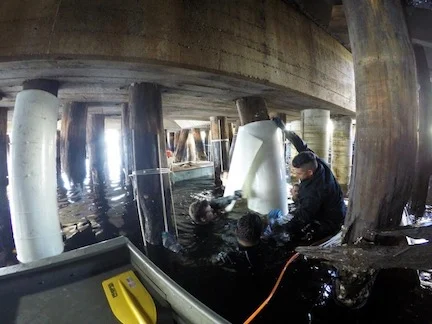
PileMedic®
Laminate jackets for piles and columns, even underwater.
Explore PileMedic® -
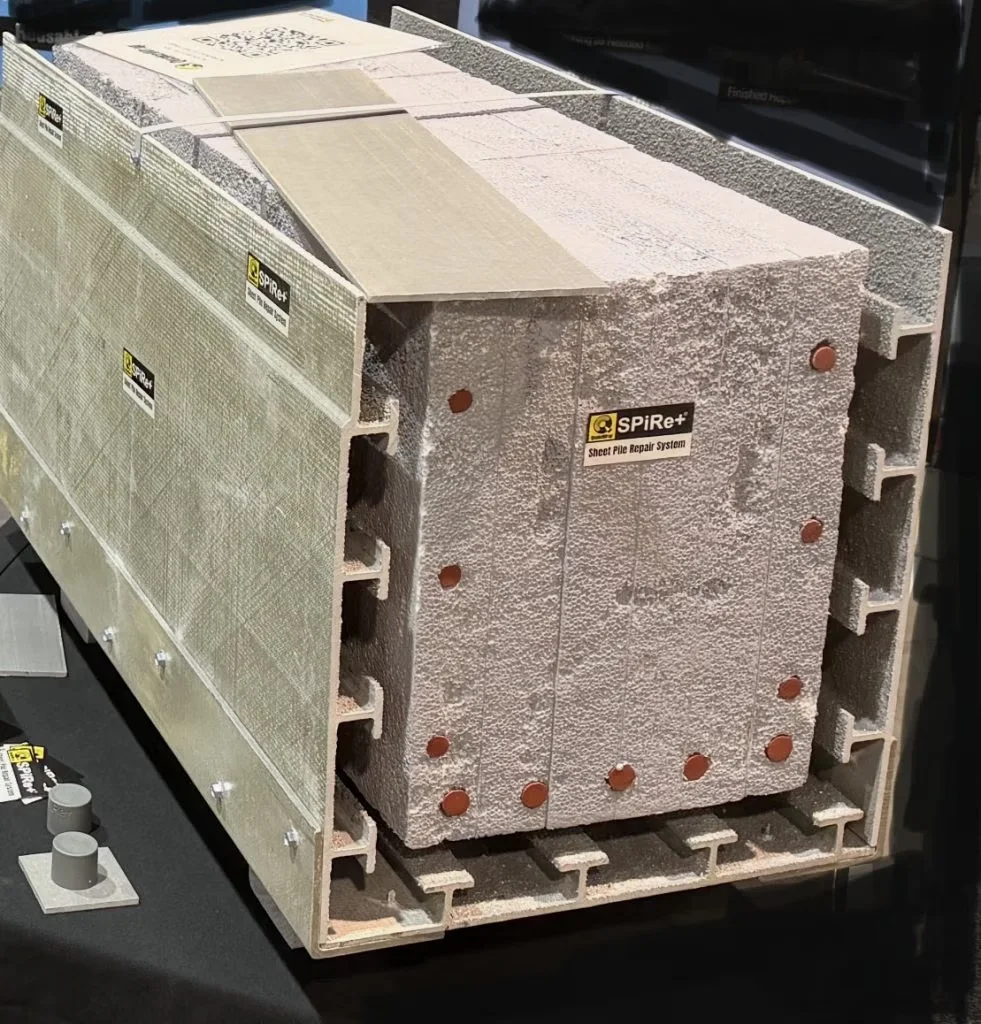
SPiRe®+
Stay-in-place FRP panels for seawalls, piles, beams and girders.
Explore SPiRe®+ -
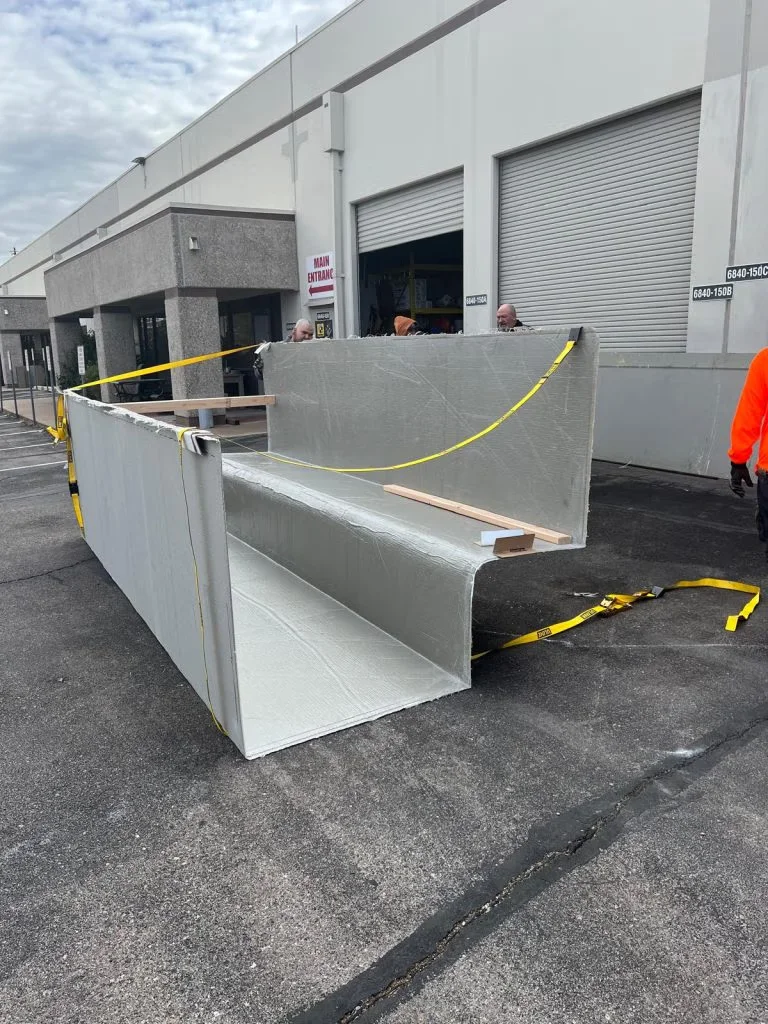
Custom FRP Shapes
Shells, forms and components built to fit.
Explore Custom FRP Shapes


Not sure which system fits?
Tell us about the structure and conditions. Our team will recommend the right QuakeWrap® system.
WHY MARINE STRUCTURES DETERIORATE
Why Ports, Piers and Wharves Deteriorate
Marine and waterfront structures face the most favorable conditions for corrosion: water, tidal wet and dry cycles, salt spray and often high temperatures.
-
Splash zone corrosion
Daily tides and salt spray rapidly corrode steel and concrete piles, seawalls, sheet piles and pier decks.
-
Aging ports
Many ports were built 40 to 50 years ago and are reaching the end of their design service life.
-
Bigger ships, heavier loads
Larger cargo ships and heavier handling loads call for stronger pier decks and the piles that support them.
-
Repairs that corrode again
Conventional concrete and steel repairs are slow, often need divers, and soon begin to corrode like the original structure.
HOW IT WORKS
How QuakeWrap® Repairs Marine Infrastructure
QuakeWrap® marine systems, developed by Prof. Mo Ehsani, are made of fiber reinforced polymer (FRP) that is lightweight and does not corrode. PileMedic® laminates form a structural jacket around timber, concrete and steel piles. SPiRe®+ panels form a stay-in-place FRP shell in front of seawalls, pier walls and other vertical structures, or around beams and pile caps, and the space behind them is filled with grout.
Besides adding strength, the FRP forms an impervious barrier that keeps moisture and oxygen away from the host structure, slowing the corrosion process. Both systems install underwater without cofferdams, and both can be adjusted in the field to match actual site conditions.
For corroded beams under a deck where access is very limited, custom-made shells serve as stay-in-place forms. For very large submerged structures such as massive foundations and bridge pier walls, pre-manufactured shells can be wrapped with wet layup FRP in the field. Our team will recommend the right QuakeWrap® system and provide specifications for your engineer.
- Restores capacity even with up to 100% section loss
- Installs underwater, no cofferdams
- Impervious barrier against moisture and oxygen
- Minimizes or eliminates the need for divers
- No welding on site
- corroded H-piles restored to capacity in the Texas DOT study
- 13 of 14
- the design capacity: failure loads of repaired timber piles, Nebraska DOR
- 5.3 to 9.9×
- of U.S. Army Corps of Engineers PIER testing
- 3 years
CHOOSE YOUR SYSTEM
Which QuakeWrap® System Fits Each Marine Structure
| What the repair does | QuakeWrap® system | |
|---|---|---|
| Timber, concrete and steel piles | Jackets the pile, restores or increases axial, flexural and shear capacity | PileMedic® |
| Seawalls, bulkheads and sheet piles | Builds a new structural face in front of the corroded wall | SPiRe®+ |
| Beams and decks under the pier | Custom stay-in-place shells filled with grout or concrete | Custom FRP Shapes |
| Pile caps | SPiRe®+ panels around the cap, as at the Port of Long Beach | SPiRe®+ |
| Load transfer on steel piles | Transfers load into the jacket without welding | ShearWrap™ & ShearClamp |
| Culverts under port roads | Structural liner inside the corroded culvert | StifPipe® |
Not sure which system fits your structure?
Tell us about the structure, water depth and damage. Our team will recommend the right QuakeWrap® system.
ADVANTAGES
Key Benefits of QuakeWrap® Marine Repair Systems
-
Field-adjustable
PileMedic® and SPiRe®+ are sized in the field, so wrong-size deliveries do not hold up the job.
-
Full structural restoration
Even where up to 100% of the original section is lost to corrosion, decay or impact.
-
Underwater installation
Repairs below the waterline without cofferdams.
-
Impervious barrier
Keeps moisture and oxygen away from the damaged structure.
-
Corrosion-free materials
Nonmetallic FRP that does not corrode.
-
Long service life
Corrosion-resistant materials plus encapsulation extend the life of the structure.
-
Lightweight
Often no cranes or heavy lifting equipment, even at remote sites.
-
Fewer divers
Methods that reduce or eliminate diver time cut repair cost.
PROVEN RESULTS
Marine Infrastructure Projects
-
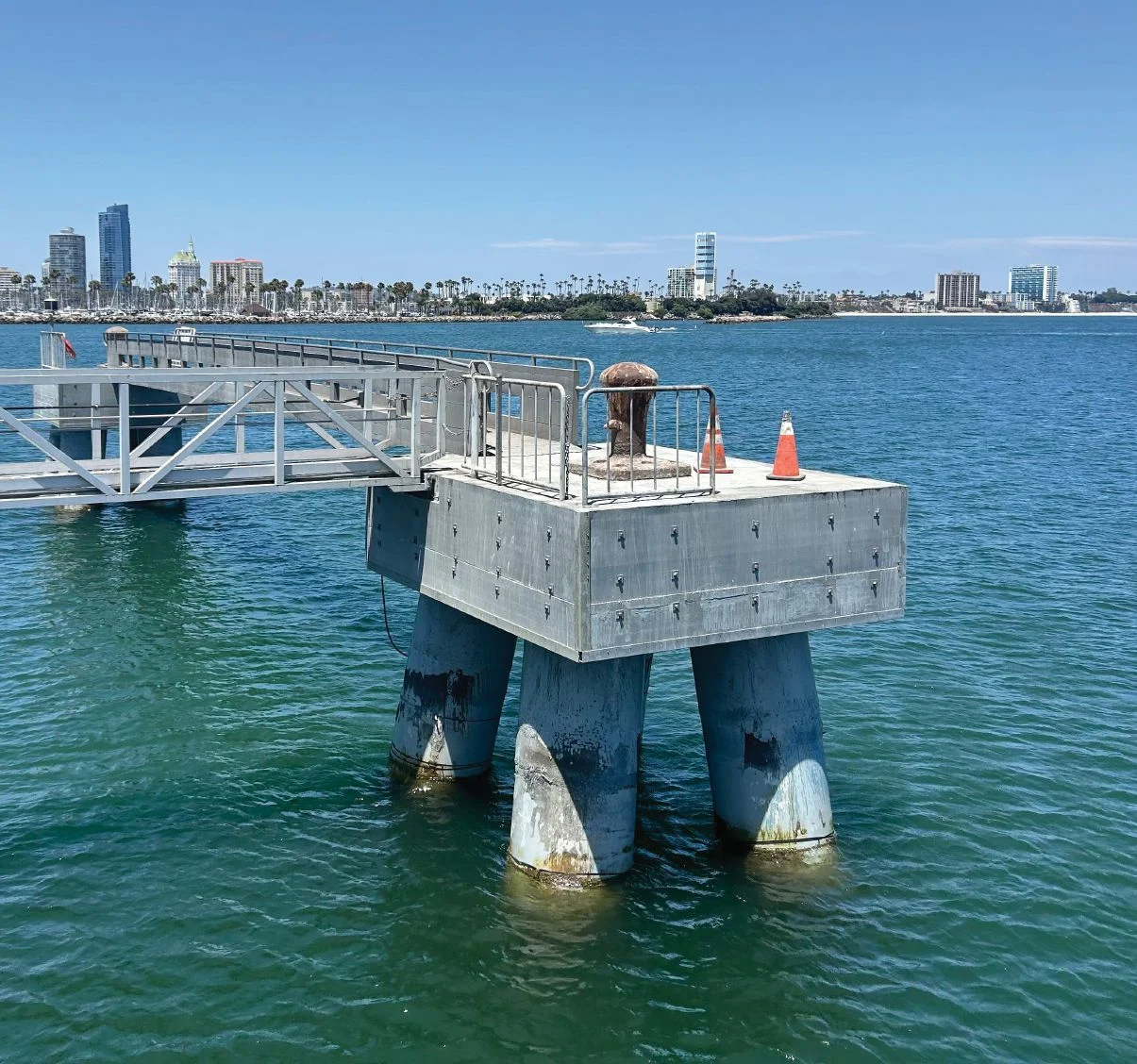
Port of Long Beach, California
Steel pipe piles and pile caps on two cruise ship dolphins reinforced with PileMedic® jackets and SPiRe®+ panels.
View the project -
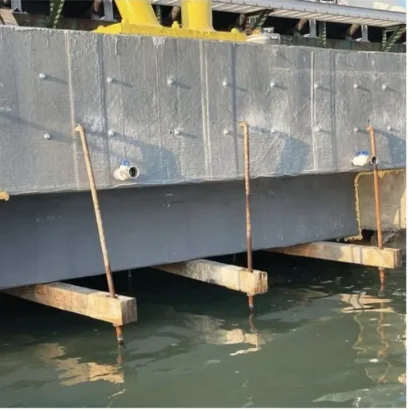
Port of Galveston, Texas
Custom-made shell for repair of a corroded marine deck.
View the project -
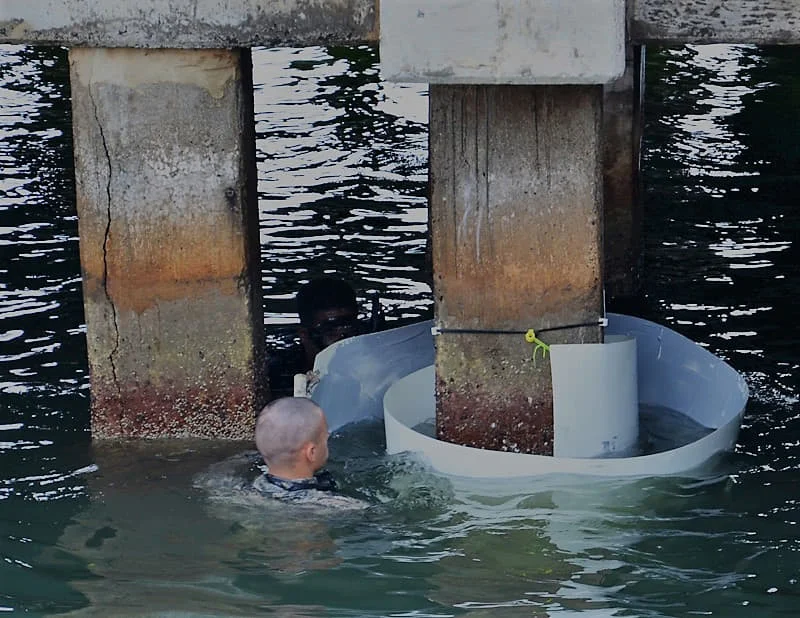
Pearl Harbor Pier Piles
A live demonstration of rapid pile repair with PileMedic® at Joint Base Pearl Harbor-Hickam, part of the U.S. Army Corps of Engineers PIER program.
Watch the video


MORE PROJECT SHEETS
More Marine Repair Projects
-
STEEL BULKHEAD
U.S. Coast Guard, Tongue Point
Astoria, OR
About 42 ft of steel sheet pile bulkhead (420 sq ft) repaired with SPiRe® panels and underwater epoxy grout reinforced with glass FRP rebar.
PROJECT SHEET (PDF) -
TIMBER PILES
Port O'Connor Boat Dock
Port O'Connor, TX
19 submerged timber piles, some with more than 75% of their volume gone at the splash zone, repaired with PileMedic® in less than a week.
PROJECT SHEET (PDF) -
BRIDGE PIERS
Bay View Bridge
Ft. Lauderdale, FL
Corroded piers wrapped with carbon FRP from the pier cap to below low tide using an epoxy that cures underwater. No damage to the FRP was seen five years later.
PROJECT SHEET (PDF) -
MARINA SEAWALL
Bair Island Marina
California
2,319 linear ft of steel sheet pile (about 580 panels) protected with custom-length SPiRe® panels after dry and wet mockups.
PROJECT SHEET (PDF) -
MARINA PILES
Marina Casa de Campo
La Romana, Dominican Republic
Six corroded concrete marina fingers: piles and pile caps wrapped underwater with glass FRP, access slabs rebuilt with GFRP bars.
PROJECT SHEET (PDF)
Papers and Resources
- CONCRETE REPAIR BULLETIN, 2025 Repair of Marine Infrastructure Using Sandwich FRP Products
- CONCRETE INTERNATIONAL, 2025 Evolution of FRP Products for Concrete Repair
- CONCRETE REPAIR BULLETIN, 2011 Miami Building First to Benefit from Innovative Pile Jacket
- Environmental Permitting for Marine Repairs
Marine Infrastructure FAQs
Can piles and seawalls be repaired underwater?
Yes. PileMedic® and SPiRe®+ systems are designed for underwater installation, so submerged piles, seawalls and bulkheads can often be repaired without cofferdams or dewatering.
Why do conventional repairs fail in marine environments?
Patching with new concrete or steel is time-consuming, often requires divers, and the new material soon begins to corrode just like the original structure. QuakeWrap® FRP does not corrode and forms an impervious barrier that keeps moisture and oxygen away from the host structure.
What research backs these systems?
Studies for the Texas DOT (steel H-piles, capacity restored in 13 of 14 piles), the Nebraska Department of Roads (timber piles, failure loads of 5.3 to 9.9 times the design capacity), Caltrans (concrete bridge columns) and a three-year U.S. Army Corps of Engineers program. Details are on the Test Results & Approvals page.
Do marine repairs still need divers?
Often far fewer. PileMedic® jackets can be assembled above the waterline and lowered into place, and SPiRe®+ panels install underwater without cofferdams, which reduces or eliminates diver time.
Can you provide specifications and design details for our engineer?
Yes. Our team will recommend the right QuakeWrap® system and provide product data sheets, specifications and sample design details for your engineer of record.
Related FRP Repair Applications
Have a Project That Needs Repair?
Tell us about your structure. Our team will recommend the right QuakeWrap® system and provide specifications for your engineer.