
PIPES & UNDERGROUND
Culvert Repair and Culvert Lining
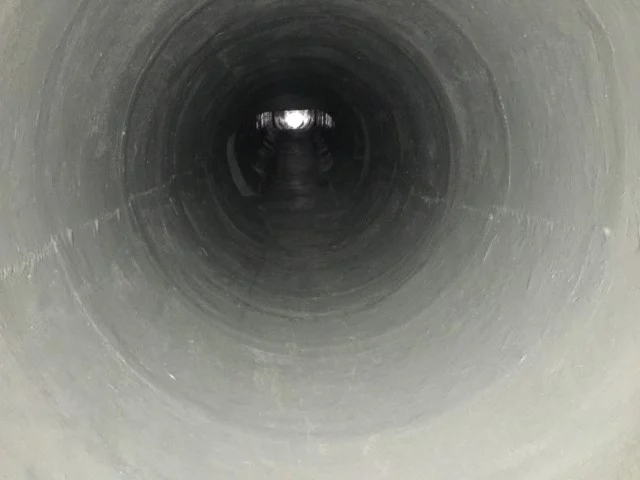
Rehabilitate culverts from the inside without excavation or service interruption, including arch, box and elliptical profiles. StifPipe® and wet layup linings restore culverts of almost any shape.
- No excavation
- Arch, box & elliptical profiles
- DOT-studied culvert lining

MATCHING PRODUCTS
QuakeWrap® Systems for Culverts
-
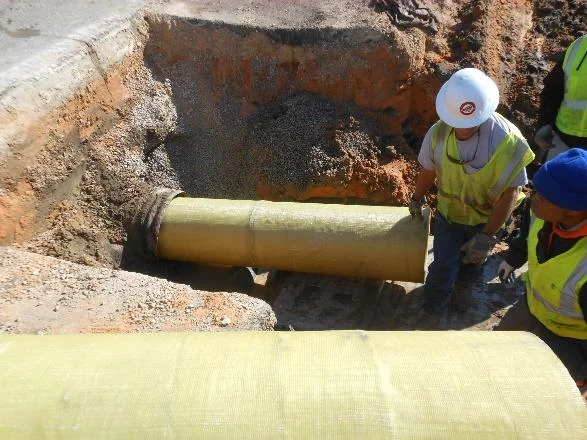
StifPipe®
A fully structural FRP pipe slid inside the host pipe.
Explore StifPipe® -
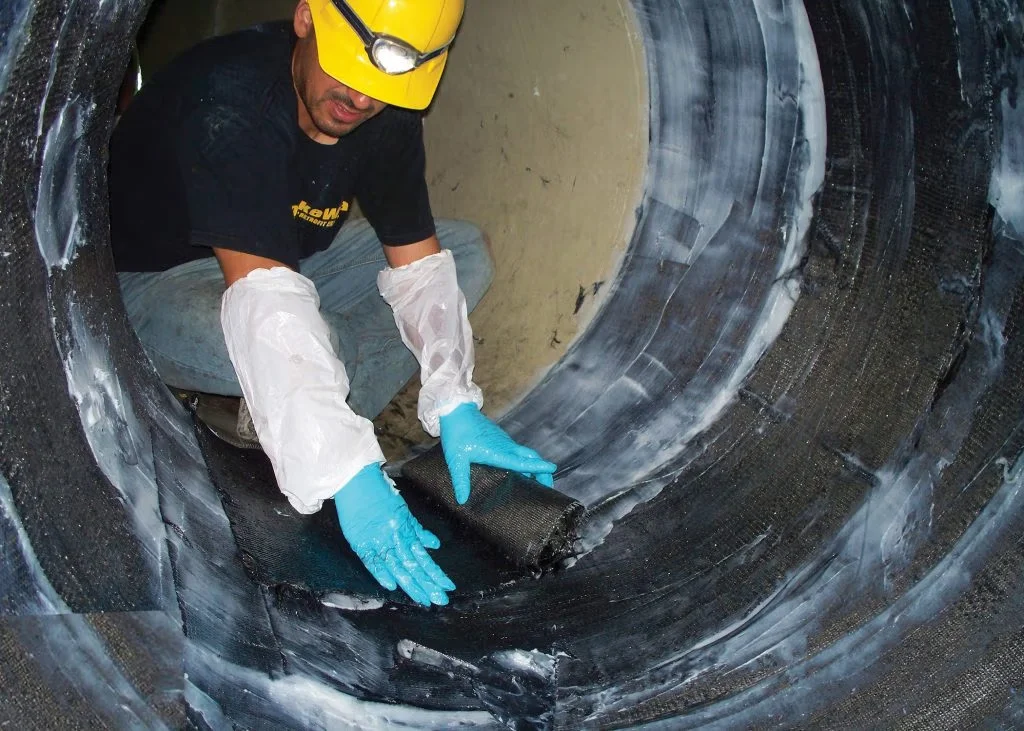
PipeMedic®
Structural FRP repair for pipes 4 in. to 180+ in.
Explore PipeMedic® -
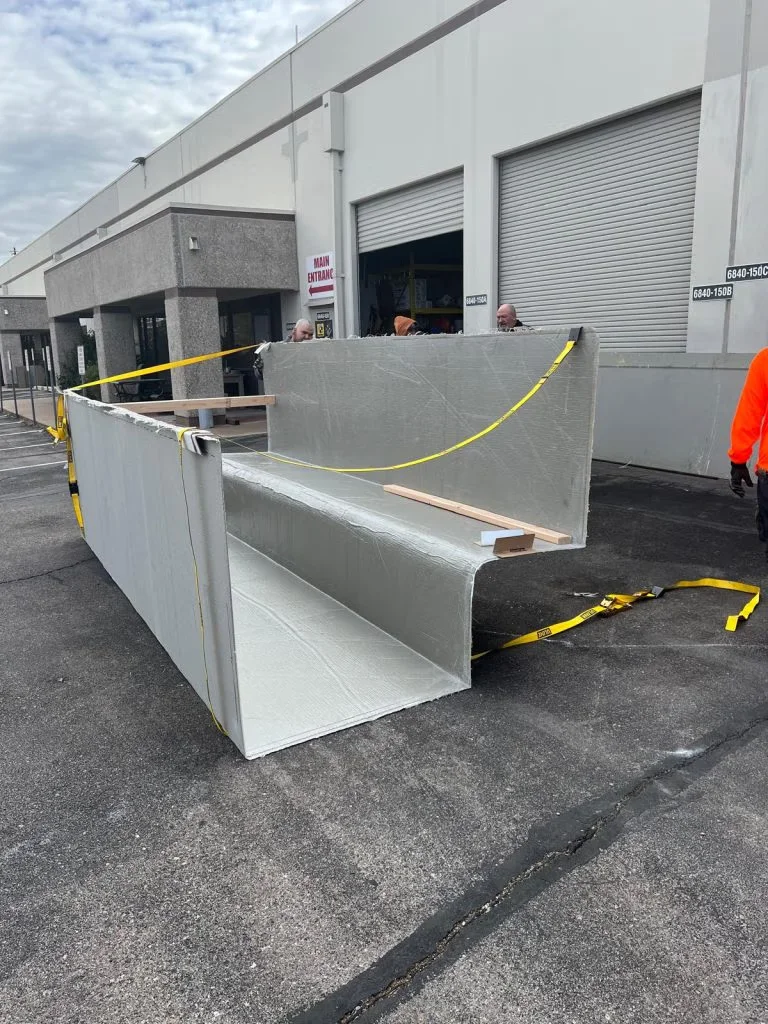
Custom FRP Shapes
Shells, forms and components built to fit.
Explore Custom FRP Shapes


Not sure which system fits?
Tell us about the structure and conditions. Our team will recommend the right QuakeWrap® system.
WHY CULVERTS FAIL
Why Culverts Lose Capacity
Corrugated metal pipe (CMP) and concrete culverts are everywhere in highway and road construction. Like a deteriorated bridge, a weakened culvert can limit what the road above can carry, and in extreme cases it partially or fully collapses.
-
Corrosion
CMP corrodes inside along the invert, where water sits, and outside in aggressive soils such as the highly alkaline soils around Phoenix.
-
Joint movement
Freeze and thaw action opens and shifts the joints between sections.
-
Cracking and too little steel
Concrete pipe with insufficient reinforcing can crack and spall under deep fill, even before the road opens.
-
Abrasion and exposure
Flow, debris and the environment wear the culvert down over its service life.
CHOOSE YOUR SYSTEM
Three Ways to Rehabilitate a Culvert From the Inside
All three are trenchless. The right one depends on the culvert’s material, shape and condition.
| StifPipe® slip-lining | Wet layup FRP lining | SPiRe®+ panel liner | |
|---|---|---|---|
| Best fit | Corroded or deformed CMP culverts | Concrete box and pipe culverts, joints and spot repairs | Concrete box culverts that need slab and wall strengthening |
| How it goes in | A custom-sized FRP pipe made with infusion technology is pushed into the host culvert | Fabric saturated with resin is bonded directly to the culvert surface | Prefabricated FRP panels are attached to the soffit and side walls, and the space behind them is grouted |
| What it does | A structural, corrosion-resistant pipe inside the old one | Strengthens the culvert and stabilizes joints affected by freeze and thaw | Forms a composite structural liner that protects the existing concrete |
| Added thickness | Set by the liner design | Typically ¼ in. (5 mm) | Panel plus grout |
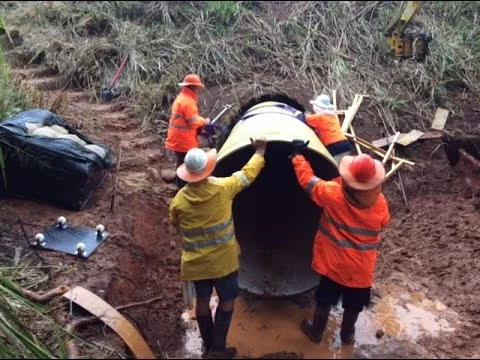
| Example | Gillies Range Road, Queensland: a 59 in. StifPipe® in four 20 ft segments, pushed in by hand in five days | Box culverts for Salt River Project (SRP) and ADOT in Phoenix, with corroded soffits repaired in carbon FRP | SPiRe®+ is QuakeWrap’s newest culvert option |
| Learn more | StifPipe® | Wet & Dry Layup FRP | SPiRe®+ |
Not sure which liner fits your culvert?
Share the culvert’s material, size, shape, cover and condition. Our team will recommend the right QuakeWrap® system and provide specifications for your engineer.
DOT STUDY
North Dakota DOT: Lined Joints Still Sealed Two Years Later
The North Dakota Department of Transportation’s Materials & Research Division compared several contractors’ repair strategies on the same reinforced concrete pipe culvert. QuakeWrap® carbon fabric (TB20C) and glass fabric (VB26G) were each installed on two joints, two layers per joint, by wet layup under the supervision of a QuakeWrap representative.
In its 2011 follow-up, the report states that the QuakeWrap carbon fiber and fiberglass “bonded to the concrete very well and those joints remained sealed and didn’t show any signs of movement.”
- Carbon and glass fabric, two layers per joint
- 24-hour cure, in rain and cold
- Joints sealed with no movement in 2011
- joints lined, two with each fabric
- 4
- of FRP per joint
- 2 layers
PROJECT VIDEO
StifPipe® Relines a Corroded CMP Culvert, Gillies Range Road, Australia
Plays from YouTube
BOX CULVERT VIDEO
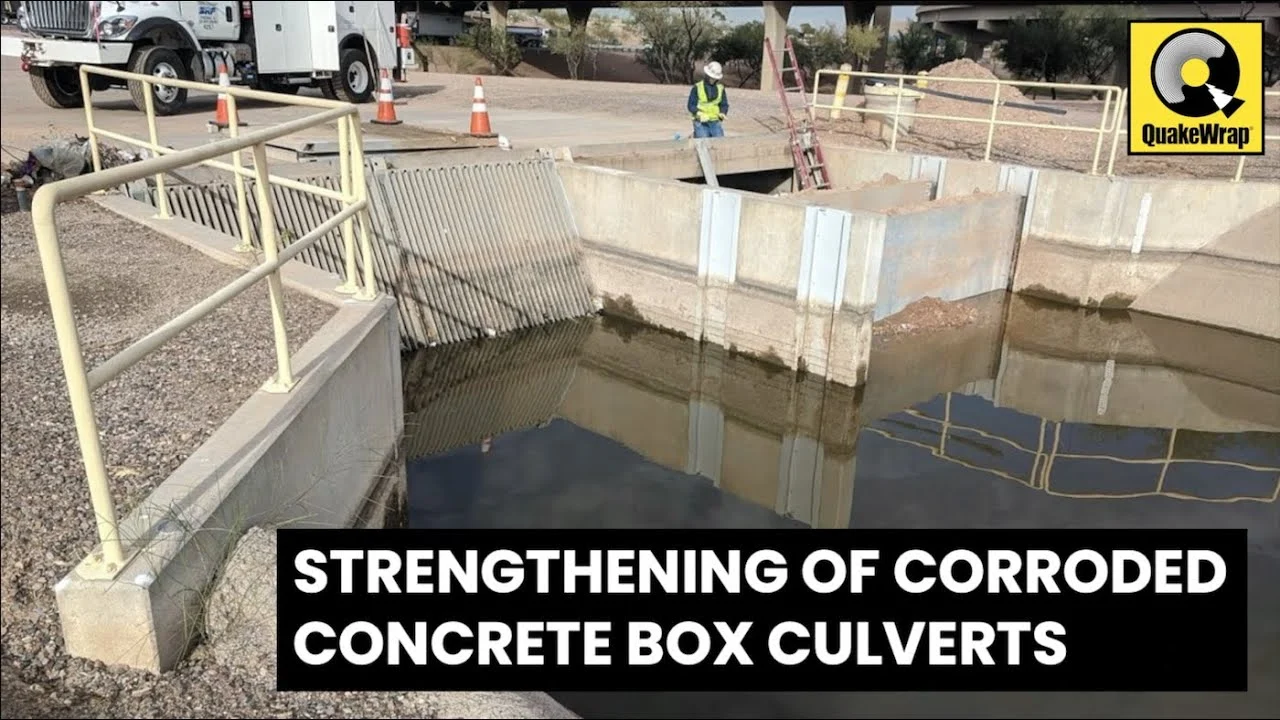
Carbon FRP Strengthens a Corroded Double-Cell Box Culvert Under I-10
A corroded double-cell concrete box culvert under Interstate 10 in Phoenix, Arizona was strengthened with carbon FRP in 2021 while the freeway stayed fully open. Water was diverted into one cell while the other was repaired. QuakeWrap® reports the repairs took less than 3 months at a cost of $1.3 million, against a replacement cost of $25 million.
Plays from YouTube
PROVEN RESULTS
Culverts Projects
-
48-in. Culvert, Salt Lake City
Culvert rehabilitated from the inside with internal wet layup.
View the project -
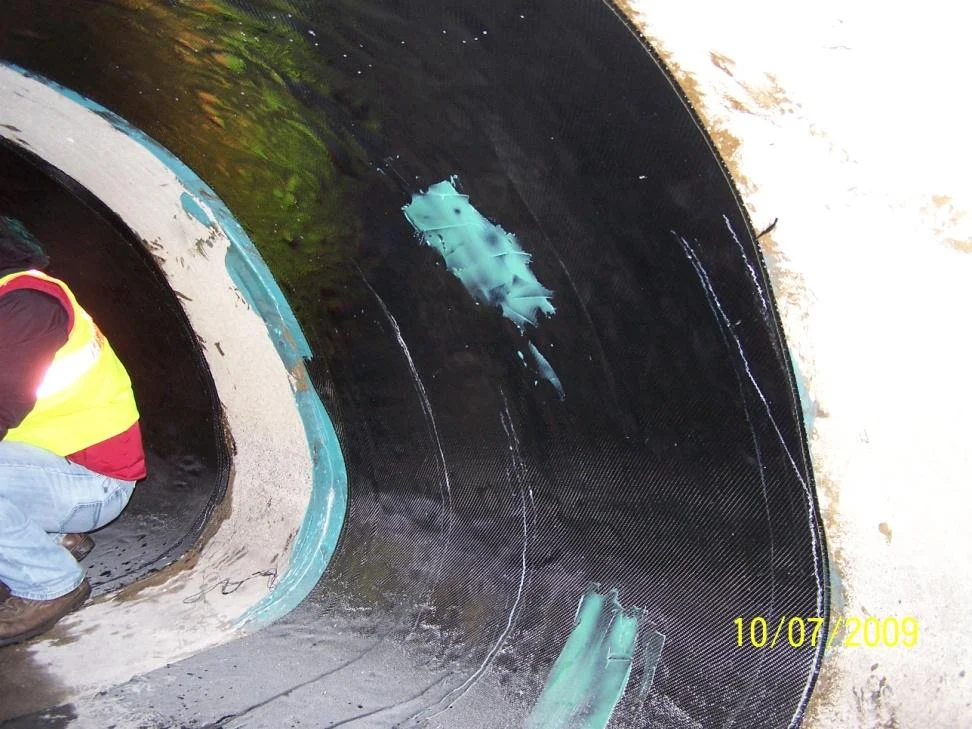
North Dakota DOT Culvert Study
A DOT study validated QuakeWrap® performance for culvert lining.
View the project -
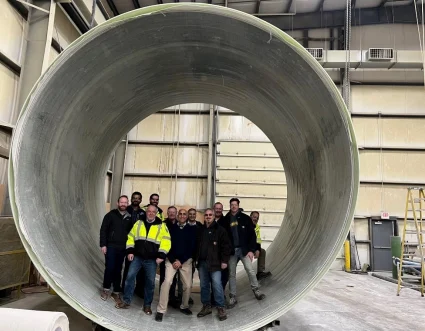
Detroit Sewer Interceptor
A 16-ft StifPipe® slipliner, likely the largest slipliner ever made.
View the project

MORE PROJECT SHEETS
More Culvert and Storm Drain Repairs
-
CONCRETE CULVERT
St. Croix Culvert Repair
St. Croix, U.S. Virgin Islands
A new 280 ft run of 72 in. concrete pipe under up to 37 ft of fill cracked before the highway opened. Cracks were injected and the pipe was sealed and lined with one layer of glass fabric in under two weeks by a 4-person crew.
PROJECT SHEET (PDF) -
CMP
Underground CMP Stormwater Detention Basin
Chandler, AZ
77 ft of corroded 8 ft CMP under 5 ft of cover and a busy parking lot was rehabilitated with concrete and a dual-layer glass laminate, avoiding an excavation that would have closed the business for 3 to 4 weeks.
PROJECT SHEET (PDF) -
STORM DRAIN
66 in. RCP Storm Drain
Edison, NJ
A standalone StifPipe® of three FRP layers and one 3D core fabric layer was built inside a damaged reinforced concrete storm drain by wet layup in 4 days.
PROJECT SHEET (PDF)
Your culvert could be the next project sheet
Share the size, shape, cover depth and damage. Our team will recommend the right QuakeWrap® system and provide specifications for your engineer.
Culverts FAQs
Can pipelines be repaired without excavation?
In most cases, yes. PipeMedic® FRP repairs are typically trenchless, lining or strengthening water, sewer, gas and industrial pipes from 4 in. to over 180 in. in diameter from the inside with zero or minimal excavation.
Which system fits a corrugated metal culvert, and which fits a box culvert?
For corroded or deformed CMP, StifPipe® slip-lining puts a custom-sized structural FRP pipe inside the old one. For concrete box culverts, wet layup FRP bonds directly to the surface, and SPiRe®+ panels with grout behind them form a composite liner on the slab and walls.
How much does lining reduce the culvert opening?
A wet layup FRP lining typically adds about ¼ in. (5 mm) to the wall thickness.
Can we repair only the joints?
Yes. FRP is well suited to spot repair of damaged areas such as joints. In a North Dakota DOT study, joints lined with QuakeWrap® carbon and glass fabric remained sealed with no signs of movement two years later.
Can you provide specifications and design details for our engineer?
Yes. Our team will recommend the right QuakeWrap® system and provide product data sheets, specifications and sample design details for your engineer of record.
Related FRP Repair Applications
Have a Project That Needs Repair?
Tell us about your structure. Our team will recommend the right QuakeWrap® system and provide specifications for your engineer.