PileMedic®: Pile Repair and Strengthening, Even Underwater
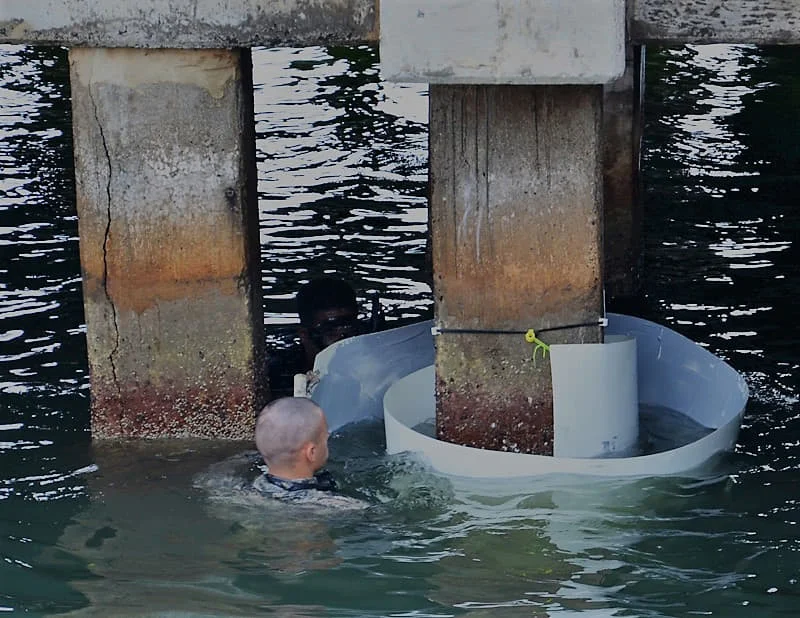
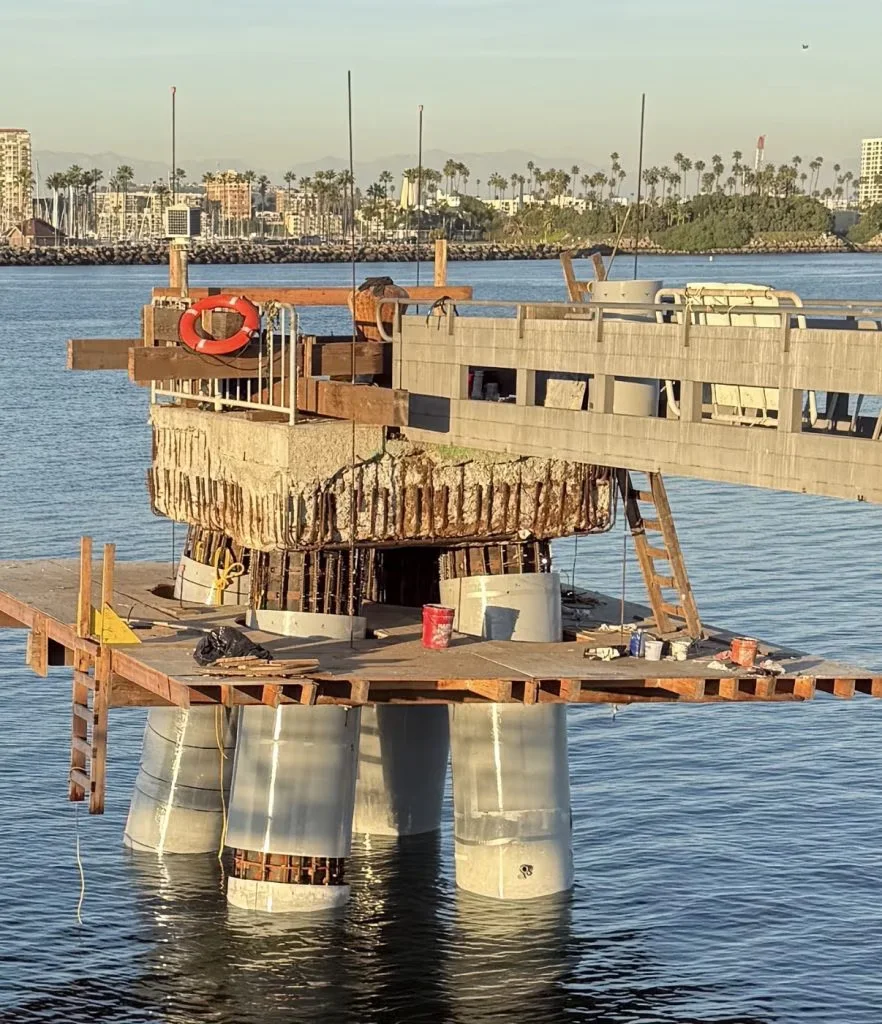
The pile repair system used by the U.S. Military worldwide. PileMedic® restores and strengthens submerged piles, bridge piles and columns with minimal disruption of service.
Onlypile repair solution the U.S. Military uses worldwide
projects on 6 continents
90+
countries
15+
max. laminate tensile strength
155 ksi
3-year U.S. Army Corps study
USACE
WHAT PILEMEDIC® REPAIRS
One System for Piles and Columns, On Land or Underwater
Developed by Prof. Mo Ehsani, PileMedic® is a patented, engineered system for repairing and strengthening piles and columns. After three decades of research and testing by agencies including the U.S. Army Corps of Engineers, Caltrans and Texas DOT, it is used by organizations worldwide for its strength, versatility and fast installation.
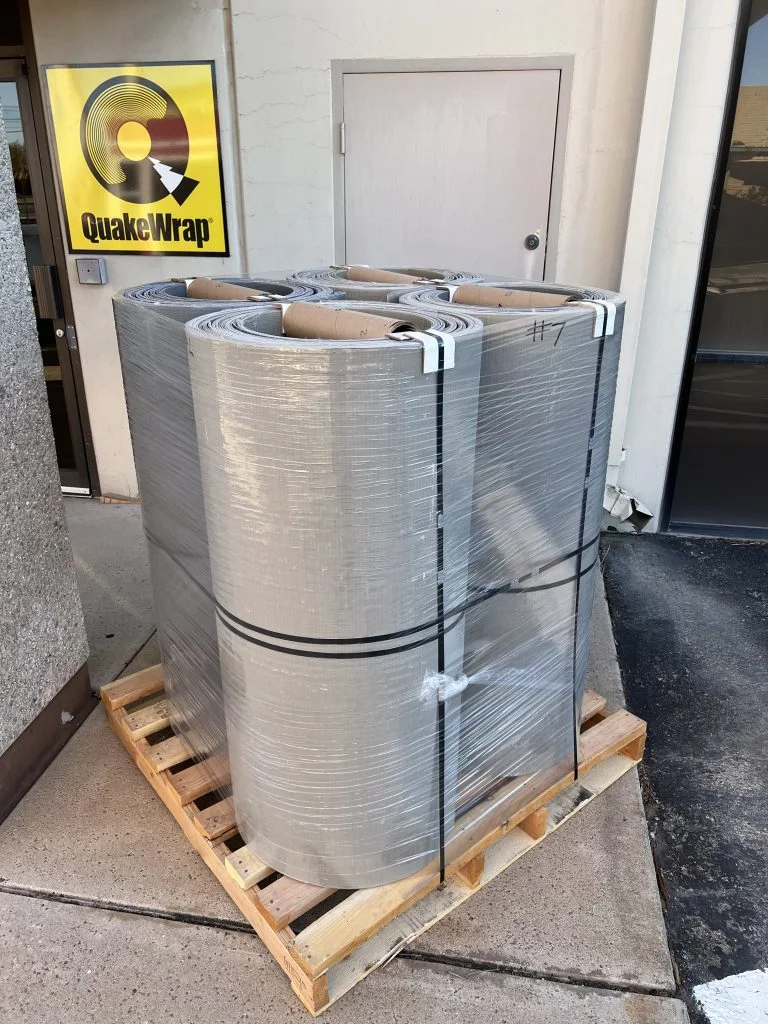
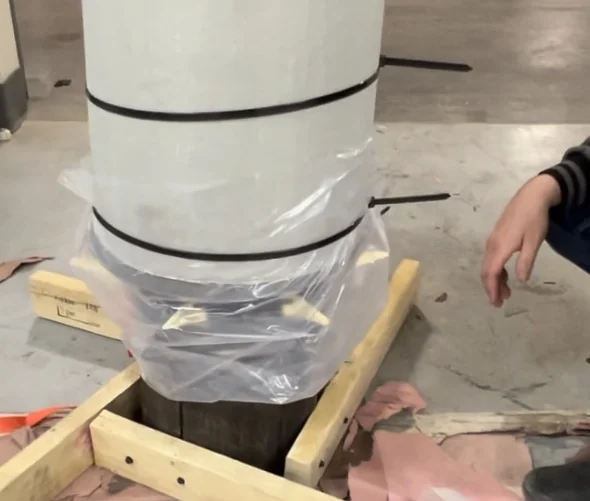
Prof. Ehsani introduced wet layup FRP fabric in the late 1980s. Twenty years later he developed PileMedic® laminates to overcome its limits. Laminates are made in the plant under heat and pressure, as thin as 0.03 in. (0.76 mm), then installed in the field as a stay-in-place form.
PileMedic® Laminates
Wet Layup Fabric
Where it is made
In the plant, under quality control
In the field
Strength verified
Tested before installation
After installation
Underwater installation
Yes, with epoxies that cure underwater
No, needs a dry surface
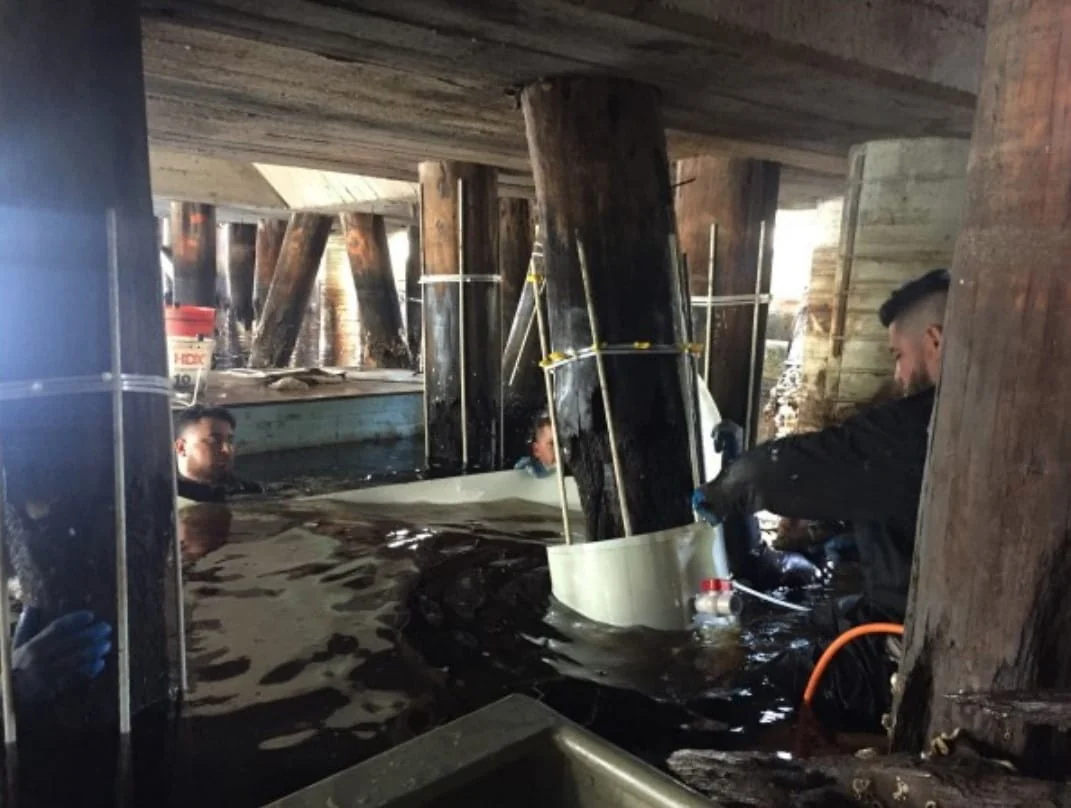
Uneven timber surfaces
Yes
No
Steel with major section loss
Yes
No
Concrete columns: flexural and axial strengthening
Yes
No
Tensile strength
Up to 155 ksi (1,070 MPa)
Depends on field workmanship
Not sure which repair fits your piles?
Tell us the pile type, condition and water depth. Our team will recommend the right system.
PileMedic® is a complete line of products: laminates, spacers, epoxies that cure underwater, bottom seals, load transfer devices for steel piles, and underwater grouts.
The advantage was that the broken pile could be repaired and reinstated up to the required bearing capacity and strength value, and no additional piles needed to be installed. This reduced cost and timing in repair method.
JVJasper VerstreepenEngineering Manager, Head of Engineering Department, Hai Phong and Quang Ninh Provinces, Vietnam (Pile Buck, Vol. 36 No. 3, 2020)
BRIDGE PILES“
The FRP repairs were completed in just two weeks, improving all 4 bridges to a Satisfactory Condition Rating (NBI rating of 6). All of this was affordable enough to be funded with the region's operations budget and happened on one of the busiest highways in Missouri without causing any delays or distractions to the traveling public.
MCMark Croarkin, PESt. Louis District Bridge Engineer, Missouri Department of Transportation (MoDOT) (co-author, "A Novel Solution for Restoration of Deteriorated Piles", Government Engineering, 2011)
DURABILITY“
Since the repairs have been completed (now almost five years ago) none of the earlier cracks on the top surface ever returned. So this tells us the repair method is still effective.
JVJasper VerstreepenEngineering Manager, Head of Engineering Department, Hai Phong and Quang Ninh Provinces, Vietnam (Pile Buck, Vol. 36 No. 3, 2020)
PileMedic® FAQs
Can PileMedic® be installed underwater?
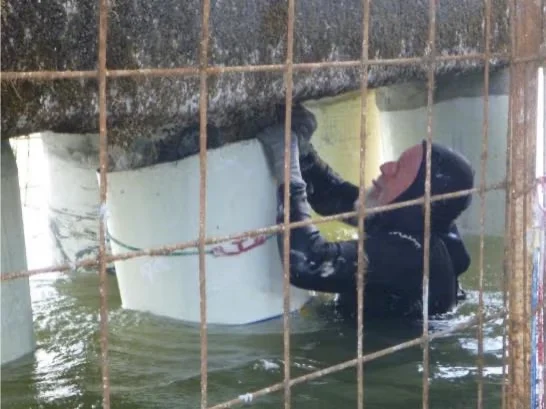
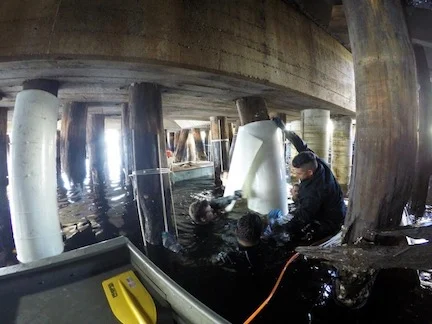
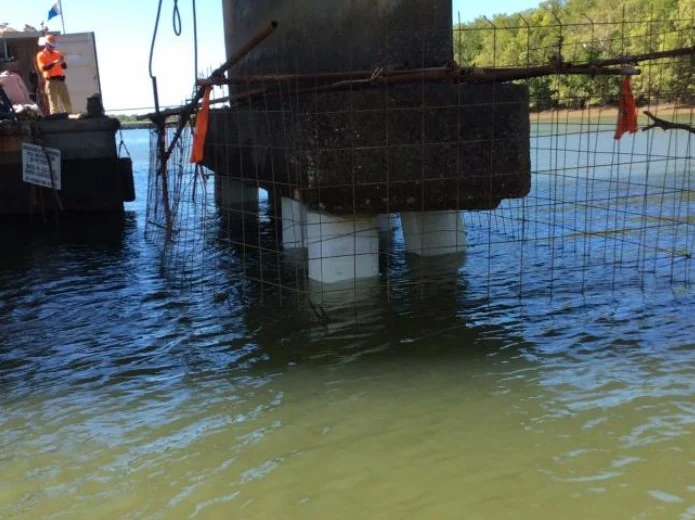
Yes. PileMedic® uses special epoxies that cure underwater, so piles can be repaired in place without cofferdams or dewatering, often with minimal to no divers.
Does PileMedic® work on timber, steel and concrete piles?
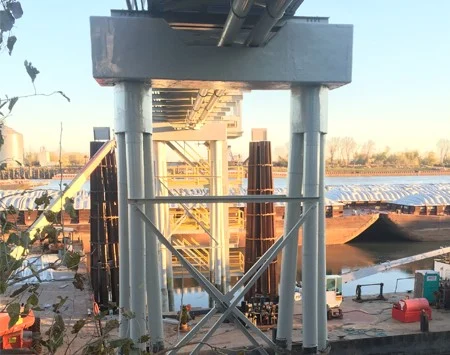
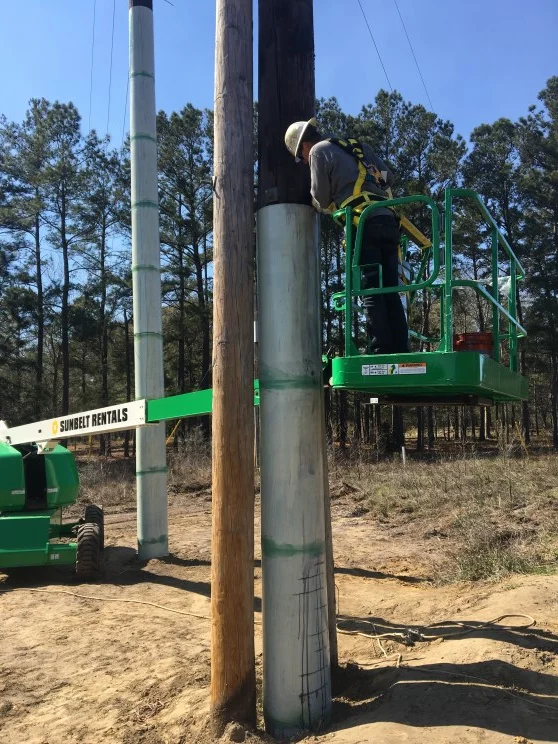
Yes. PileMedic® repairs and strengthens timber, steel and concrete piles, as well as columns, in water or on land. Laminates wrap uneven timber surfaces and steel with major section loss, which wet layup fabric cannot.
How is load transferred when repairing steel piles?
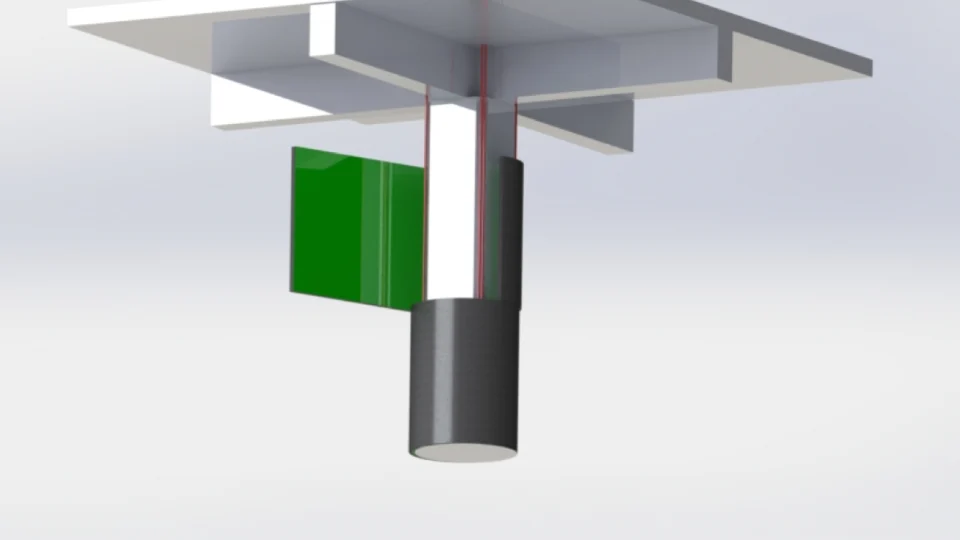
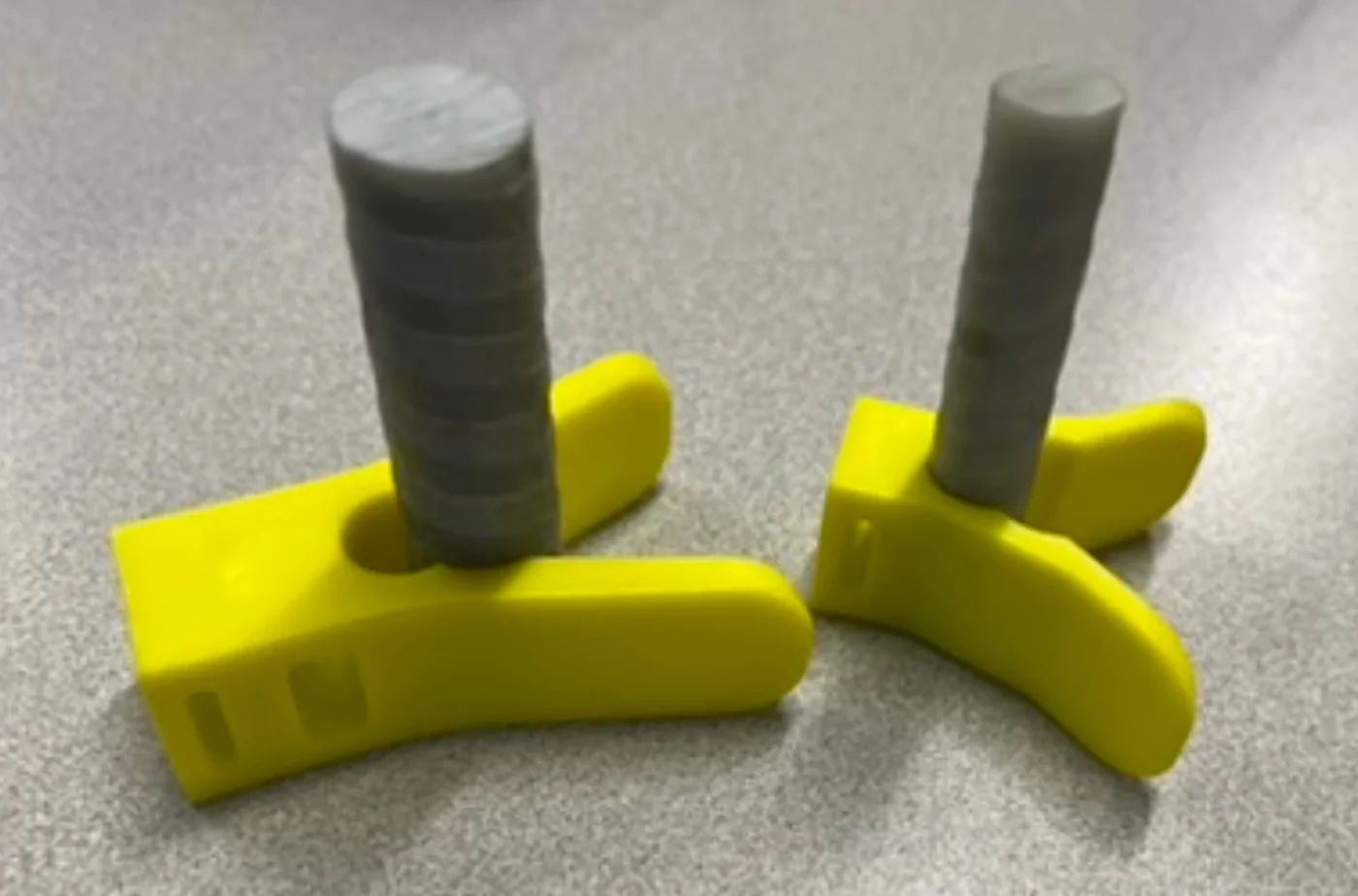
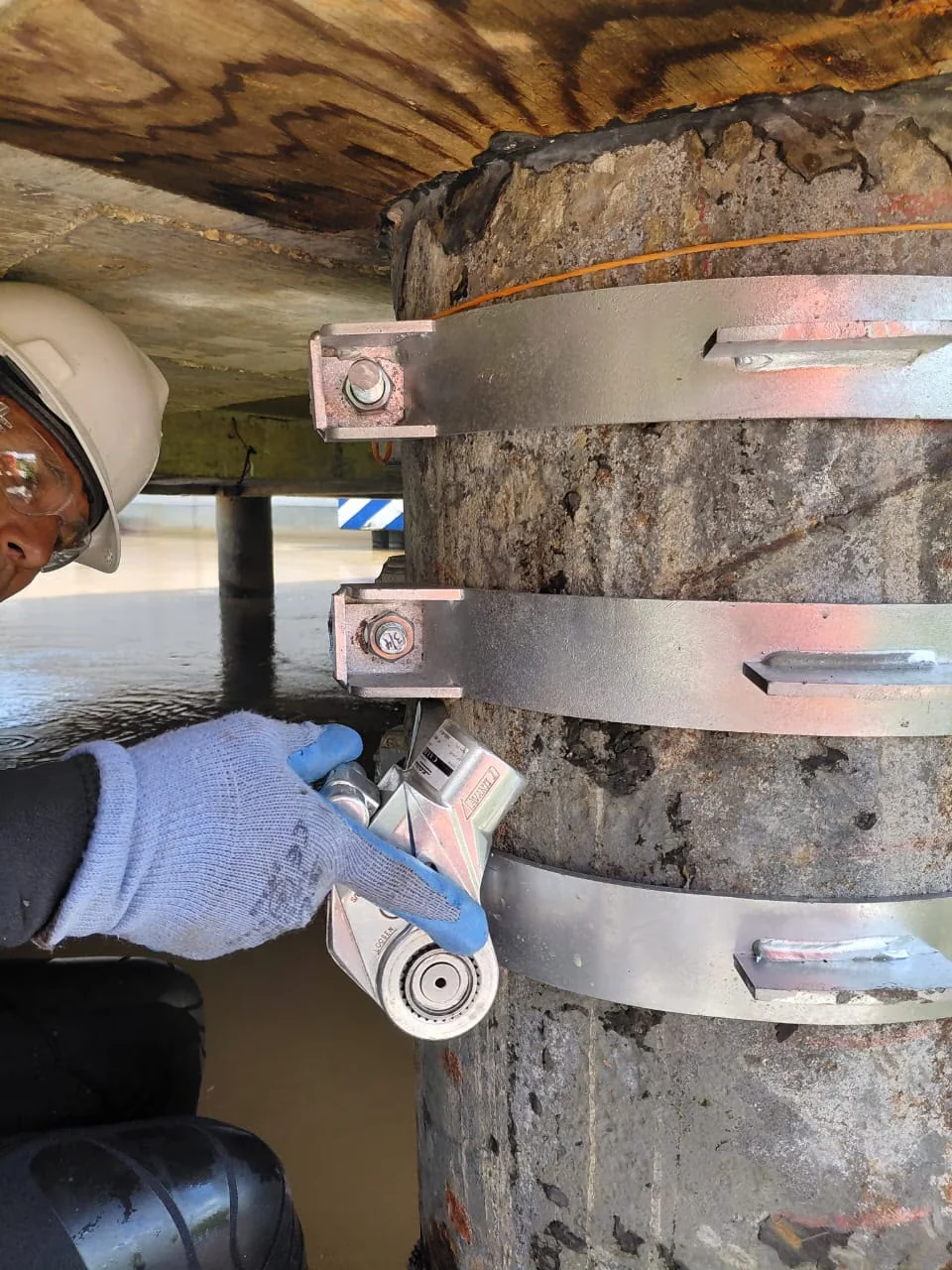
ShearWrap™ (round piles) and ShearClamp™ (H-piles) are bolt-on steel devices that transfer load between the steel pile and the new grout shell without welding. Rebar can also be added inside the jacket if the design needs it.
Can I get specifications and sample design details?
Yes. Our team will recommend the right PileMedic® system and provide product data sheets, specifications and sample design details for your engineer of record.
How is PileMedic® different from SPiRe®+ for seawalls?
PileMedic® laminates wrap individual piles and columns as a jacket that is filled with grout. SPiRe®+ uses rigid stay-in-place FRP panels to form a new shell around seawalls and bulkheads, as well as piles and beams.