
PIPES & UNDERGROUND
Manhole Rehabilitation With FRP
Moisture and H2S gases break down concrete and brick manholes. A rigid StifPipe® liner lowered into the manhole and grouted in place holds loose brick and debris and resists traffic and soil loads, with excavation only to remove the cone.
- Excavation only to lift the cone
- Custom-made to any shape or size
- Non-corroding FRP liner

MATCHING PRODUCTS
QuakeWrap® Systems for Manholes
-
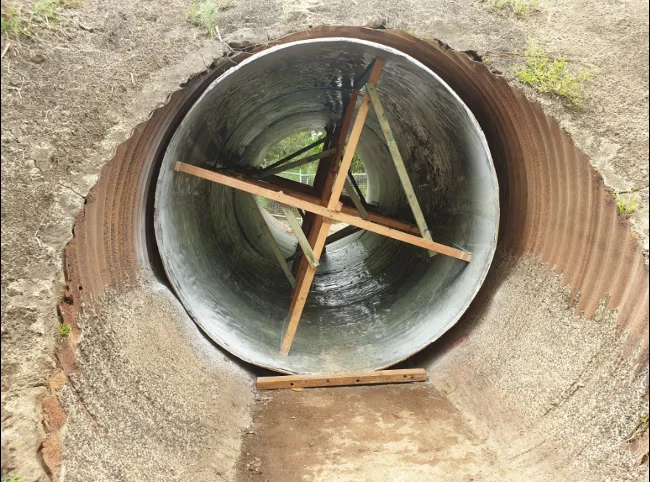
StifPipe®
A rigid FRP liner made to fit the manhole, lowered in and grouted in place.
Explore StifPipe® -
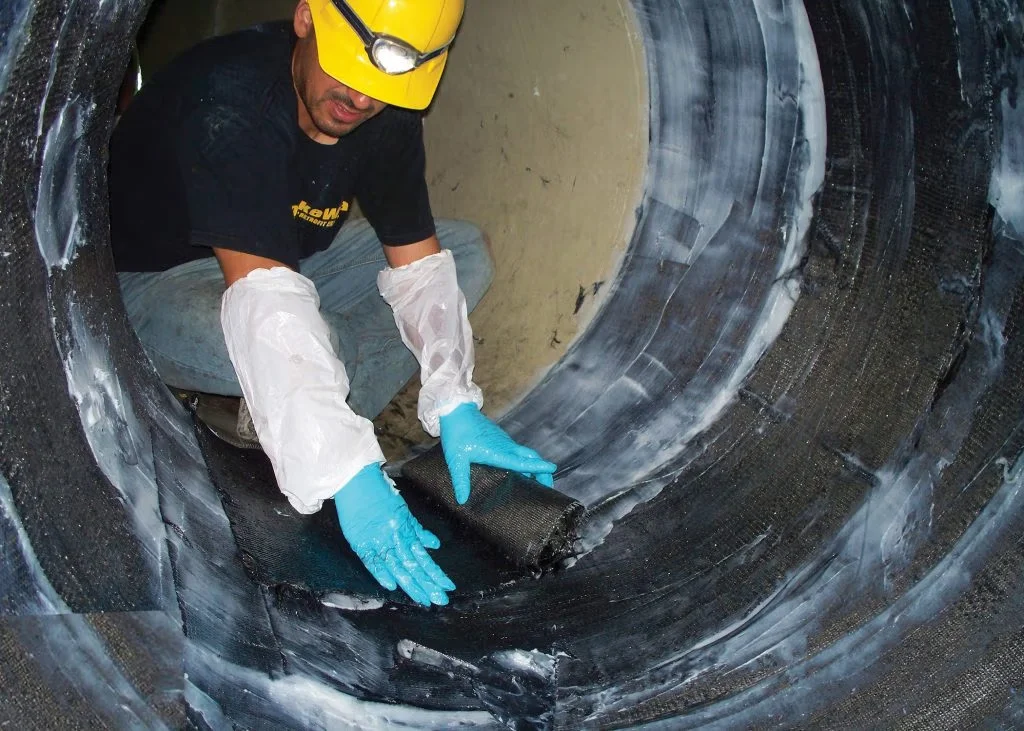
PipeMedic®
Structural FRP repair for pipes 4 in. to 180+ in.
Explore PipeMedic® -
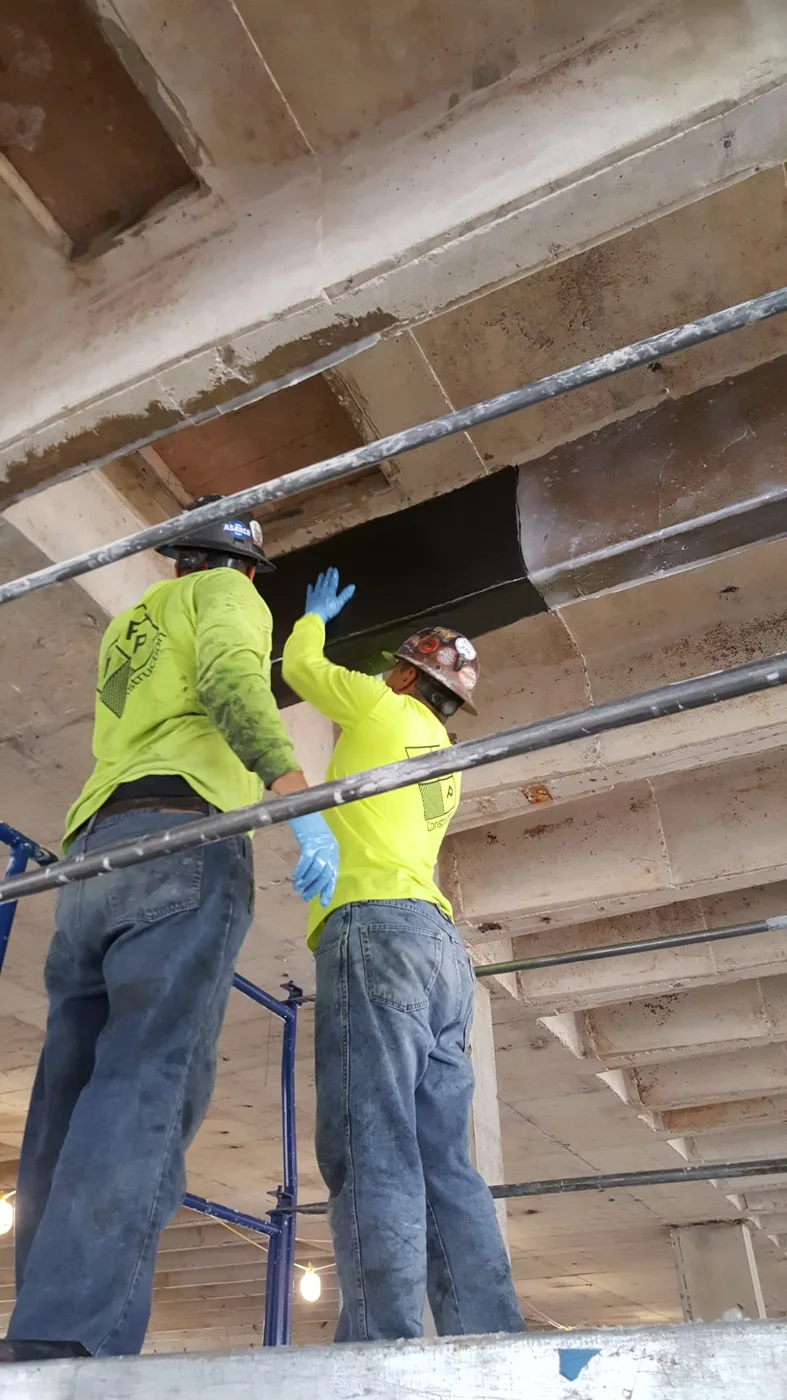
Wet & Dry Layup FRP
Carbon and glass fabric systems for beams, columns, slabs and walls.
Explore Wet & Dry Layup FRP


Not sure which system fits?
Tell us about the structure and conditions. Our team will recommend the right QuakeWrap® system.
WHY MANHOLES DETERIORATE
Why Manholes Deteriorate
Manholes, or access points, give workers access to buried pipes, tunnels and utility vaults. Most are built of concrete or brick, and they deteriorate quickly.
-
Moisture and H2S gases
The moist environment combined with hydrogen sulfide gas attacks concrete and brick, leading to rapid deterioration.
-
Loose brick and debris
Bricks and debris coming off the walls need a rigid liner that can push back and hold them in place.
-
Traffic and soil loads
A rehabilitated manhole still has to carry traffic and soil pressure, so a thin coating alone may not be enough.
HOW IT WORKS
How StifPipe® Rehabilitates a Manhole
Spray-applied epoxy, cementitious grouts and wet layup FRP have all been used to line manholes. Where the walls are shedding brick and debris, the liner has to be rigid enough to push back and hold that material in place.
StifPipe® is a patented FRP pipe that can be made to any shape or size, with enough strength to resist all loads, including traffic and soil pressure. The cone of the manhole is lifted, the lightweight StifPipe® is lowered into the manhole, and the annular space between the manhole and the StifPipe® is filled with grout.
For manholes that need strengthening rather than a new liner, carbon fabric can be wrapped on the outside with the wet layup method, as on a Washington, DC sewer manhole. Our team will recommend the right QuakeWrap® system and provide specifications for your engineer.
- Rigid liner holds loose brick and debris
- Designed for traffic and soil pressure
- Minimal loss of manhole diameter
- Safe, fast repair with little traffic disruption

How a StifPipe® Manhole Repair Is Installed
-
Lift the cone
Excavation is needed only to remove the cone of the manhole.
-
Lower the liner
The lightweight StifPipe®, made to the manhole's shape and size, is lowered into the manhole.
-
Grout the annulus
The annular space between the manhole wall and the StifPipe® is filled with grout.
ADVANTAGES
Advantages of Manhole Repair With StifPipe®
-
Minimal excavation
Only the cone is removed.
-
Non-corroding
StifPipe® is made with non-corroding materials.
-
Any shape or size
Each liner is custom-made to fit the manhole.
-
Small loss of diameter
The repair takes up little of the manhole's opening.
-
Safe to handle
The liner is lightweight.
-
Fast
Repairs are quick, with minimal downtime and traffic disruption.
Have a deteriorated manhole?
Tell us the manhole's material, size and condition. Our team will recommend the right QuakeWrap® system and provide specifications for your engineer.
PROVEN RESULTS
Manhole Repair Projects
-
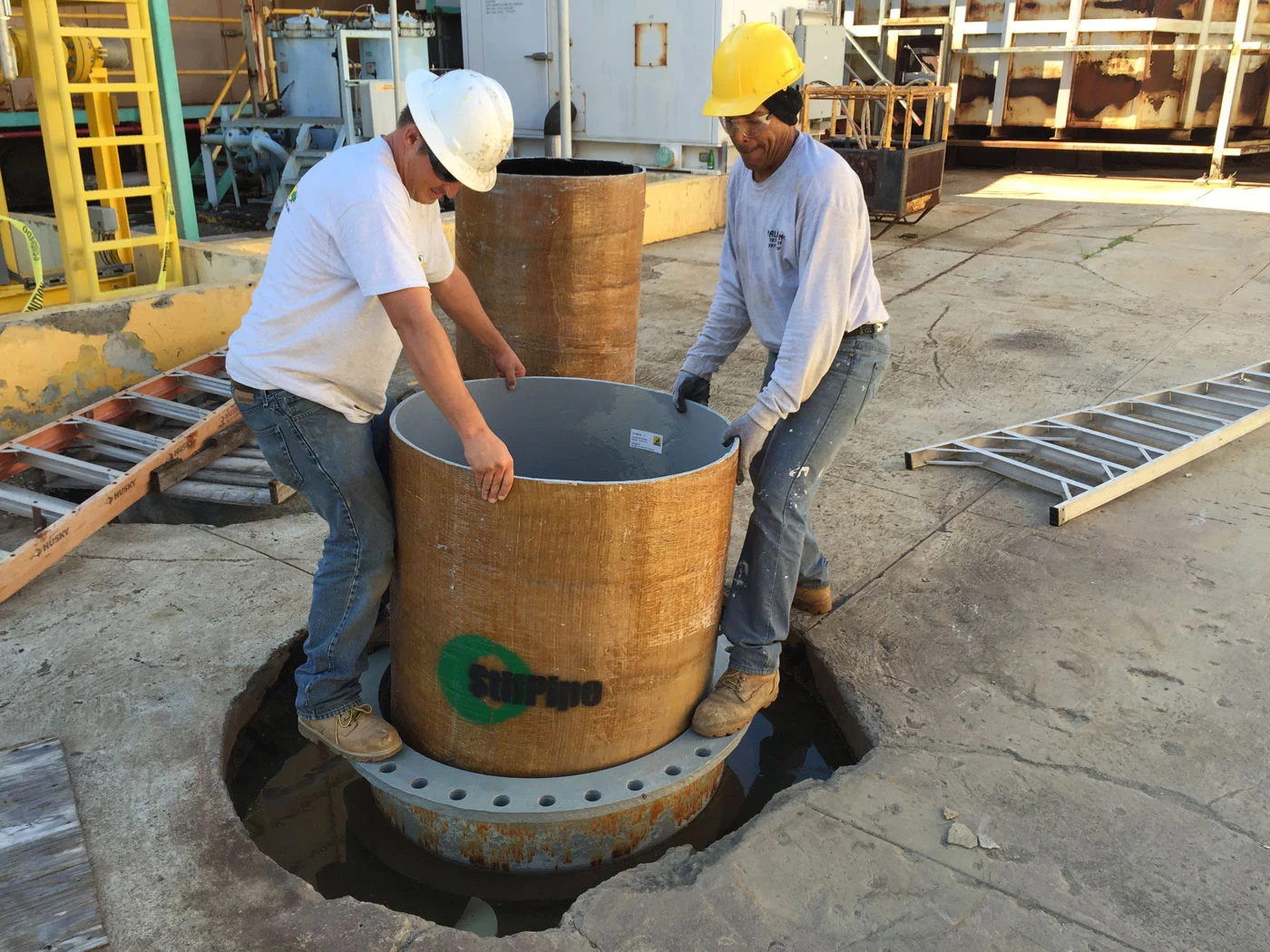
29 Manholes and Risers, Puerto Rico
29 StifPipe® sections, about 44 in. long by 35 in. outside diameter, were made to repair 29 steel manholes. The bottom was sealed and the annular space behind each StifPipe® was grouted.
-
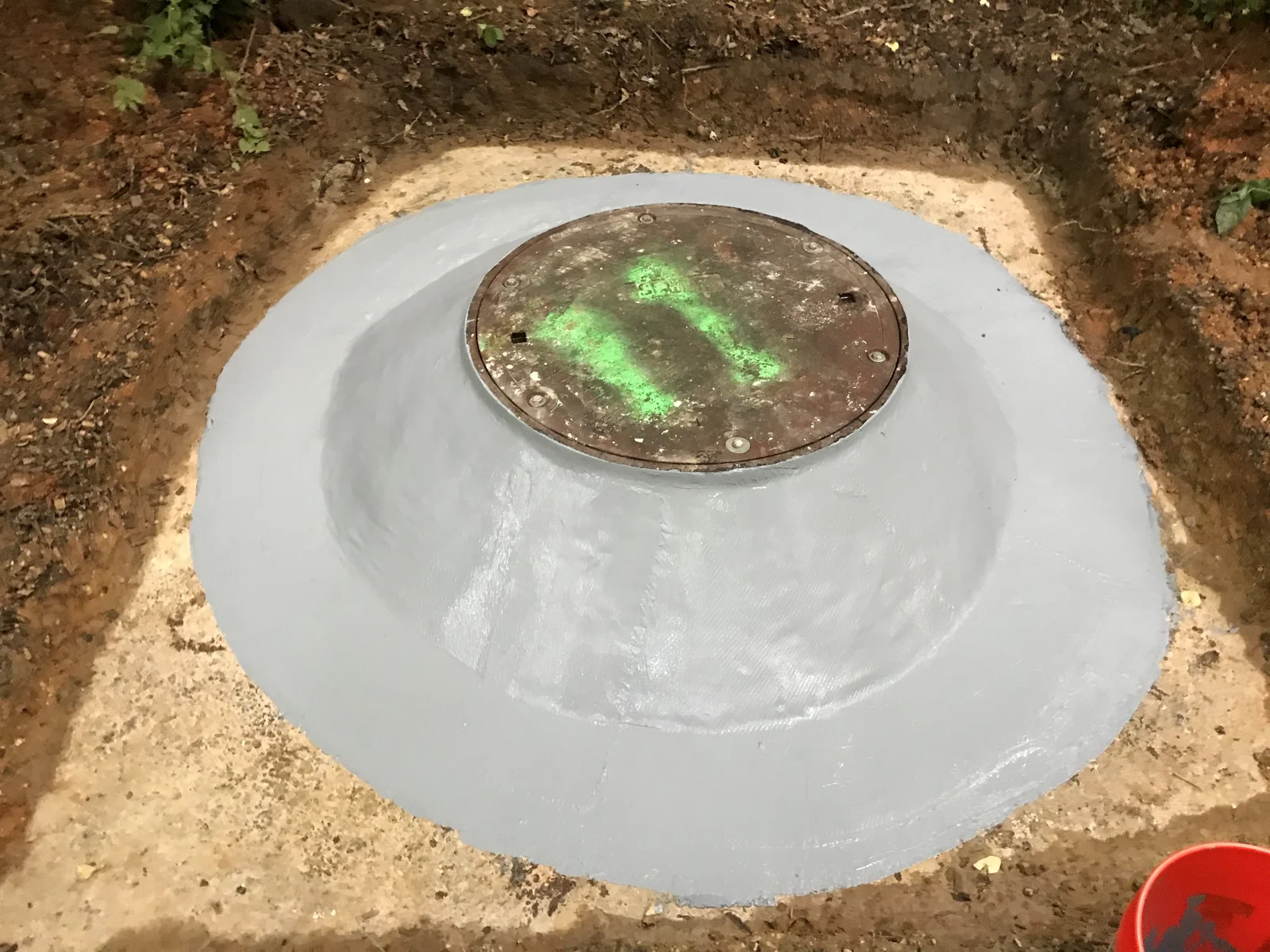
Emergency Manhole Repair, Washington, DC
A 2 ft long manhole segment sitting on a 78 in. reinforced concrete sewer pipe was repaired with fabric wrapped externally by wet layup, with FRP anchors tying the manhole top to the base structure.
Manholes FAQs
How is a brick or concrete manhole repaired with StifPipe®?
The cone is lifted, a StifPipe® liner made to the manhole's shape and size is lowered in, and the annular space between the old wall and the liner is filled with grout. The rigid liner holds loose brick and debris in place and is designed to resist traffic and soil pressure.
Does manhole rehabilitation require excavation?
Only enough to remove the cone of the manhole. The rest of the work is done from inside the manhole.
Can the same systems repair other below-ground structures?
Yes. QuakeWrap® FRP solutions have been applied to storage tanks, vaults, junction chambers, lift station wet wells and well casings, and a standard size manhole entry is usually enough to bring in the materials and equipment.
Is the system safe for drinking water?
Yes. The QuakeWrap® wet layup system meets NSF/ANSI Standard 61 for drinking water pipes 6 in. and larger and for water storage tanks, and is IAPMO/ICC certified under Acceptance Criteria AC125.
Can you provide specifications and design details for our engineer?
Yes. Our team will recommend the right QuakeWrap® system and provide product data sheets, specifications and sample design details for your engineer of record.
Related FRP Repair Applications
Have a Project That Needs Repair?
Tell us about your structure. Our team will recommend the right QuakeWrap® system and provide specifications for your engineer.