
CASE STUDY
Railroad Timber Bridge Repair in Remote Northern Canada
Railroad timber bridge repair without heavy equipment: on remote rail bridges in northern Manitoba, Western Infrastructure Renewal has repaired some 300 decayed timber piles with PileMedic® glass FRP shells filled with low-viscosity resin. The same FRP approach now repairs split and rotted timber pile caps.

Project Details
- LOCATION
- Remote rail bridges in northern Manitoba, Canada
- STRUCTURE
- Timber rail bridges on piles 16 to 20 in. (400 to 500 mm) in diameter
- DAMAGE
- Decay near or just above the waterline, some piles over their full height
- QUAKEWRAP® SYSTEM
- PileMedic® glass FRP laminate shells, two plies, filled with low-viscosity resin
- PILE CAPS
- Biaxial glass fabric, 24 oz/yd², saturated with structural epoxy (municipal bridges, Saskatchewan)
- INSTALLER
- Western Infrastructure Renewal Inc.
- PRODUCTIVITY
- 2 to 3 piles per crew per day
- TECHNICAL PAPER
- Ehsani and Herbert, SMSB 2026, Vancouver
PROJECT VIDEO
300+ Timber Pile Repairs on Canadian Rail Bridges
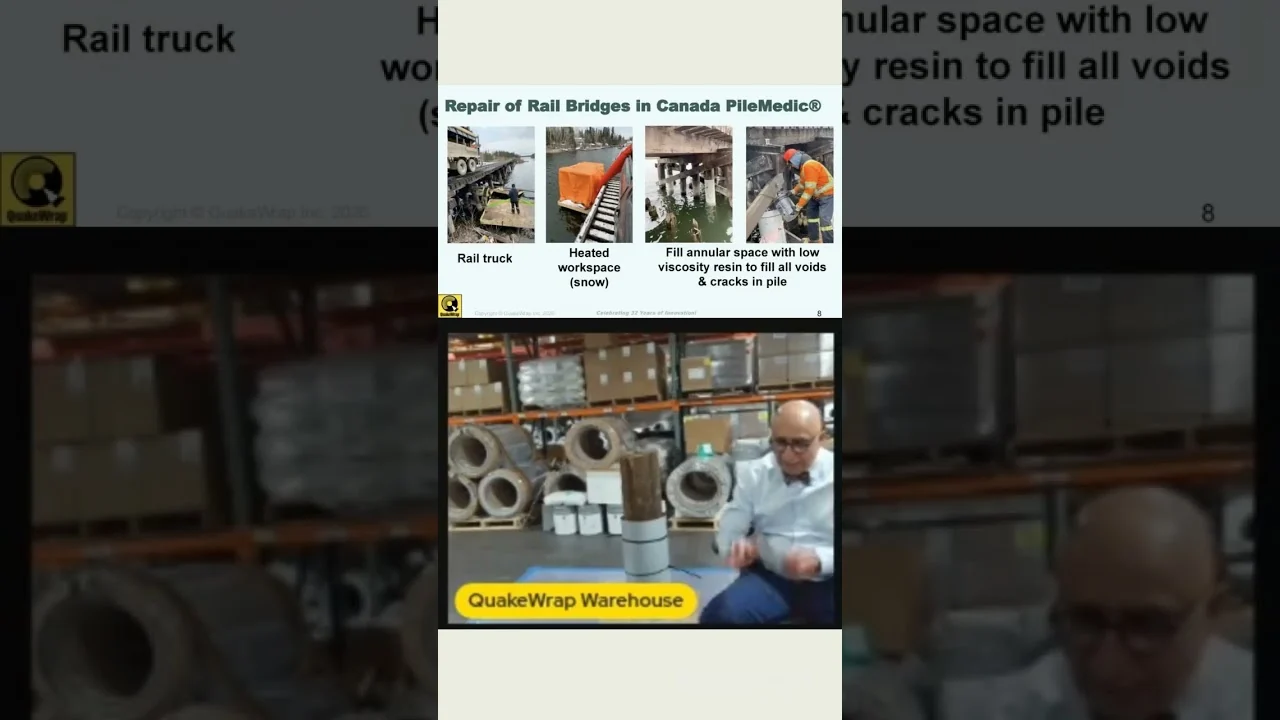
Plays from YouTube
01 · THE CHALLENGE
Aging Timber Rail Bridges, Far From the Road
Many short and medium span rail bridges in rural Canada still stand on timber piles, caps and stringers. Many are near or past their original design life and show decay, checking, splitting and freeze-thaw damage. Creosote use has been restricted at water crossings, which leaves timber more exposed.
On the bridges in northern Manitoba, damage was concentrated near or just above the waterline, and several piles needed repair over their full height. Cold, snow and limited access made heavy equipment costly to bring in. Pile sizes varied even within one bridge, and braces and framing crowded many piles, so rigid prefabricated jackets were a poor fit.

02 · THE SOLUTION
Railroad Timber Bridge Repair With Field-Formed FRP Shells
Each pile got a PileMedic® shell made on site. A 1.1 mm glass FRP laminate, 4 ft wide, is cut to twice the pile circumference plus 8 in., coated with epoxy paste and wrapped into a seamless two-ply shell with a 1 to 2 mm gap around the timber. Each shell covers 4 ft of pile; taller repairs add shells that overlap the one below by 4 in. The paper's typical detail calls for two layers of PileMedic® PLG14.13 and QuakeBond™ 320LV low-viscosity resin.
The resin is fed into the annulus, for example through a manifold with a painter's pressure pot. It penetrates cracks, decay pockets and borer cavities, and bonds the timber and shell into one section. Timber piles are typically under 3,000 psi in compression, and the resin is nearly four times stronger. Brace bolts were swapped for wooden pegs during wrapping, then reinstalled through the laminate in the original holes.
Crews worked from rafts lowered under the bridges by high-rail trucks. Because the epoxies must be stored and mixed above a minimum temperature, they built heated enclosures on the rafts with insulated tarps and ducted heat from the rail vehicles, and kept working into late-season snow.
- PileMedic® glass FRP laminate2 plies, bonded with epoxy paste
- Low-viscosity resinFills the 1 to 2 mm gap, cracks and voids
- Timber pile16 to 20 in., host

03 · THE RESULT
Rail Bridges Kept in Service, and Pile Caps Next
Western Infrastructure Renewal crews typically finished two or three piles a day, including travel and setup at remote sites, and some 300 piles have been repaired to date. The companion 2024 IABMAS paper reports 135 of them on eight bridges in 2023. Several of these bridges had been candidates for replacement at costs of several million dollars; the FRP program extended their service life with minimal disruption to rail operations.
The method rests on tested ground. In full-scale tests for the Nebraska Department of Roads, damaged timber piles repaired with FRP laminates carried 5.3 to 9.9 times their design load, and the U.S. Army Corps of Engineers tested PileMedic® over a three-year study.
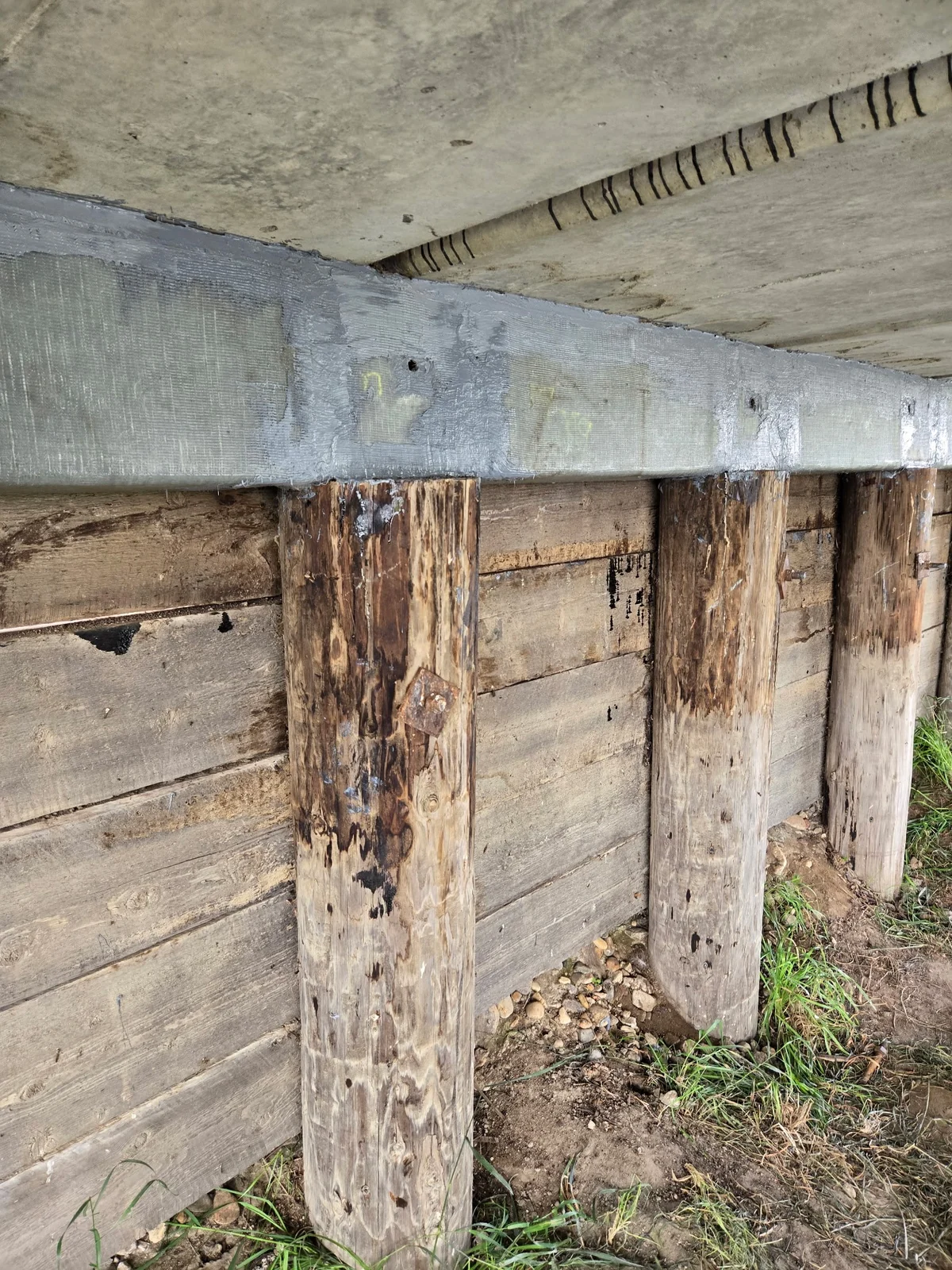
The same FRP approach has since been extended to timber pile caps. On three municipal bridges in Saskatchewan, split pile caps were U-wrapped in place with 4 ft bands of biaxial glass fabric and structural epoxy, overlapped 12 in. On another remote bridge, a rotted 14 x 16 in. pile cap was rebuilt in the contractor's shop, fully wrapped and set back on the piles.
- piles repaired
- About 300
- piles per crew per day
- 2 to 3
- design load, Nebraska DOR tests
- 5.3 to 9.9x
- municipal bridges with wrapped pile caps
- 3

Products & Applications Used
-
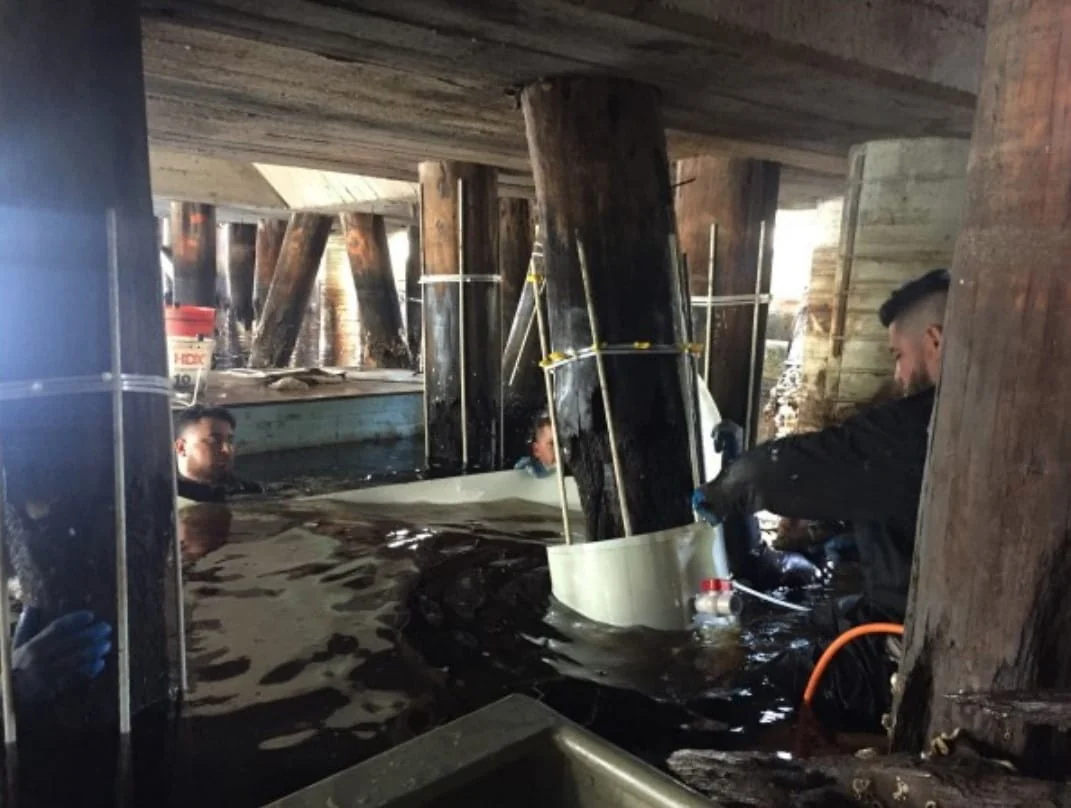
PileMedic® Pile Jackets
FRP laminate cut from a roll, wrapped twice around the pile and bonded to itself.
Explore Pile Jackets -
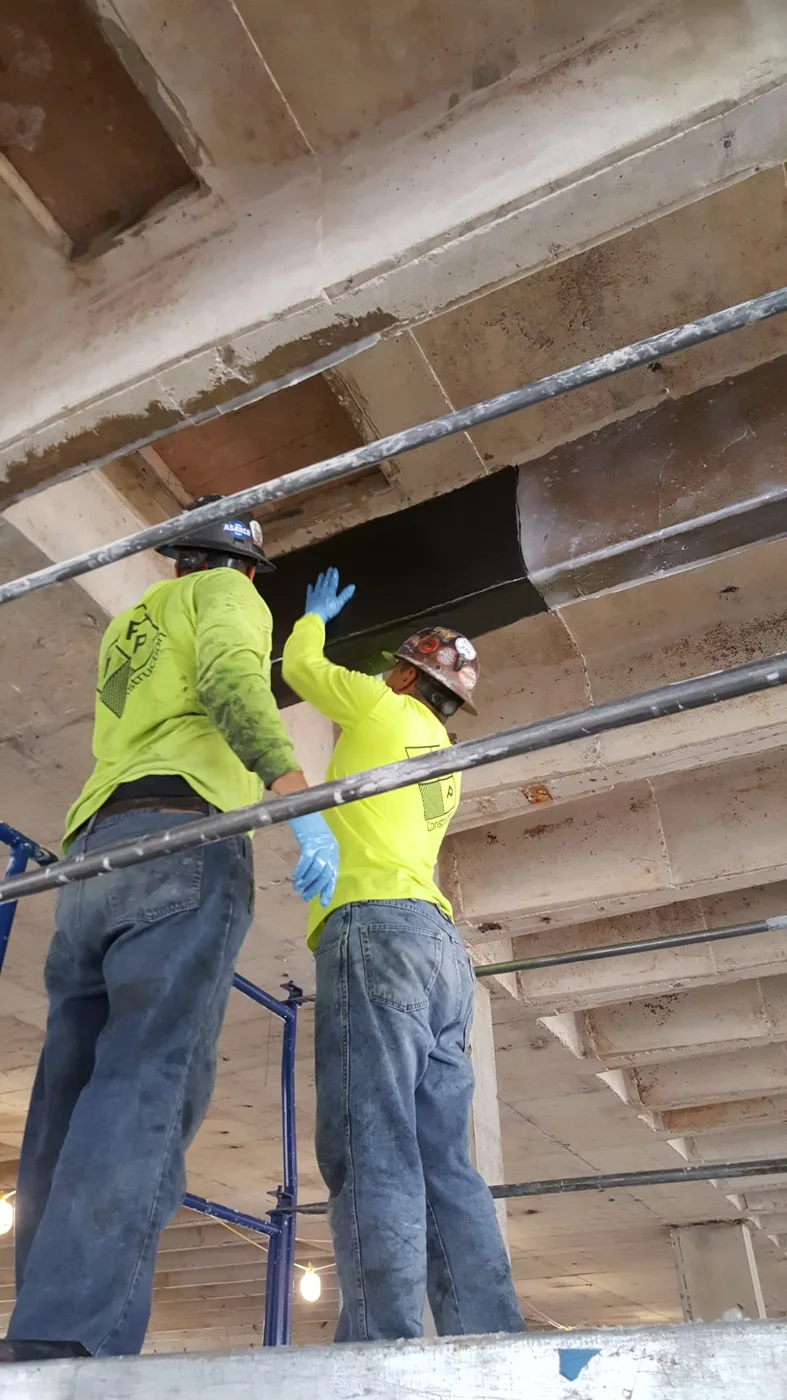
Wet & Dry Layup FRP
Glass and carbon fabrics saturated with epoxy, as used on the pile caps.
Explore Wet & Dry Layup FRP -

Pile Repair
Timber, steel and concrete piles, without cofferdams.
Explore Pile Repair


MORE PROJECTS
Related Projects
-
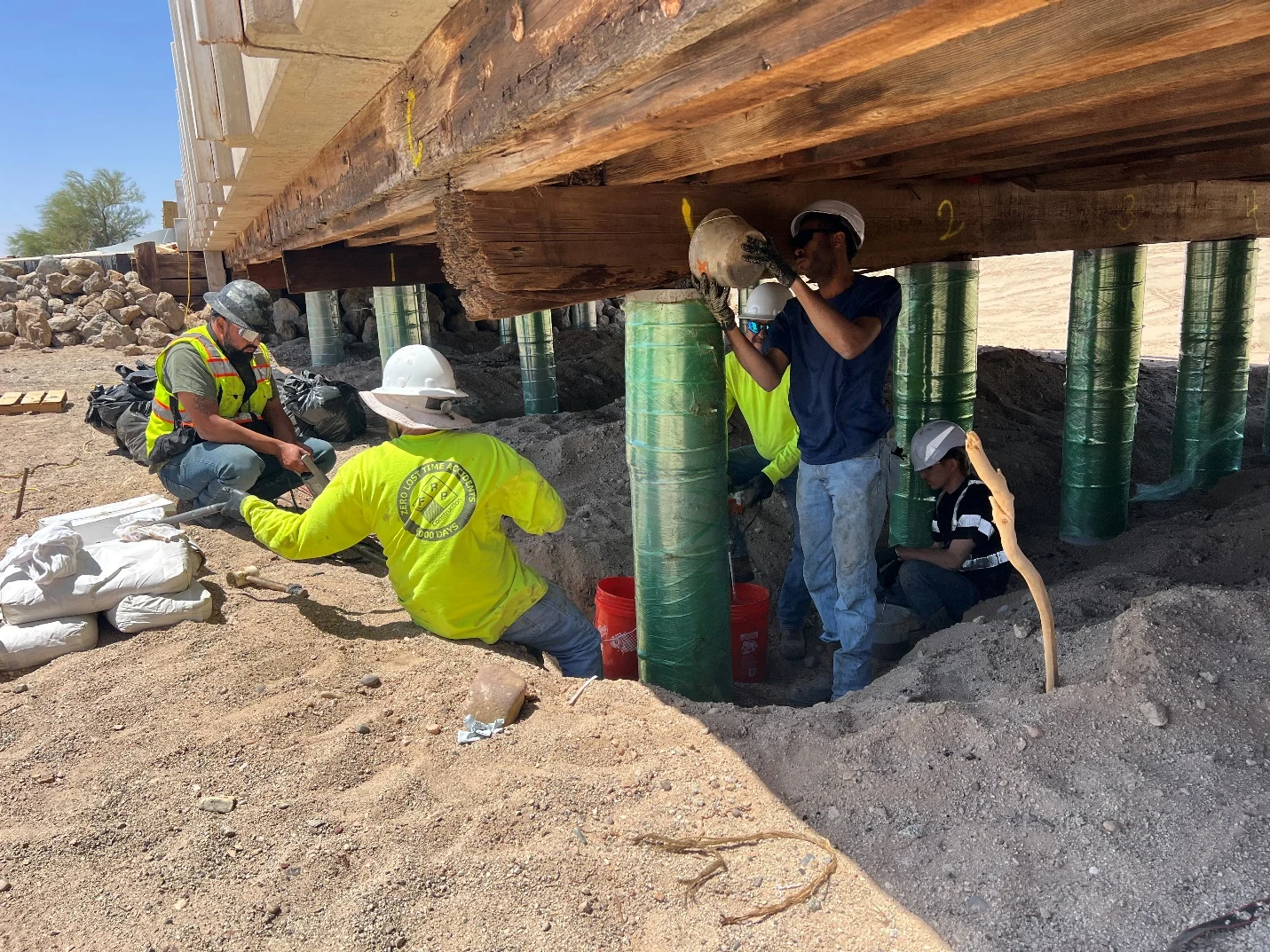
Araz Road Bridge, California
20 timber piles jacketed with glass FRP and epoxy grout, and 4 cap beams wrapped.
View case study -
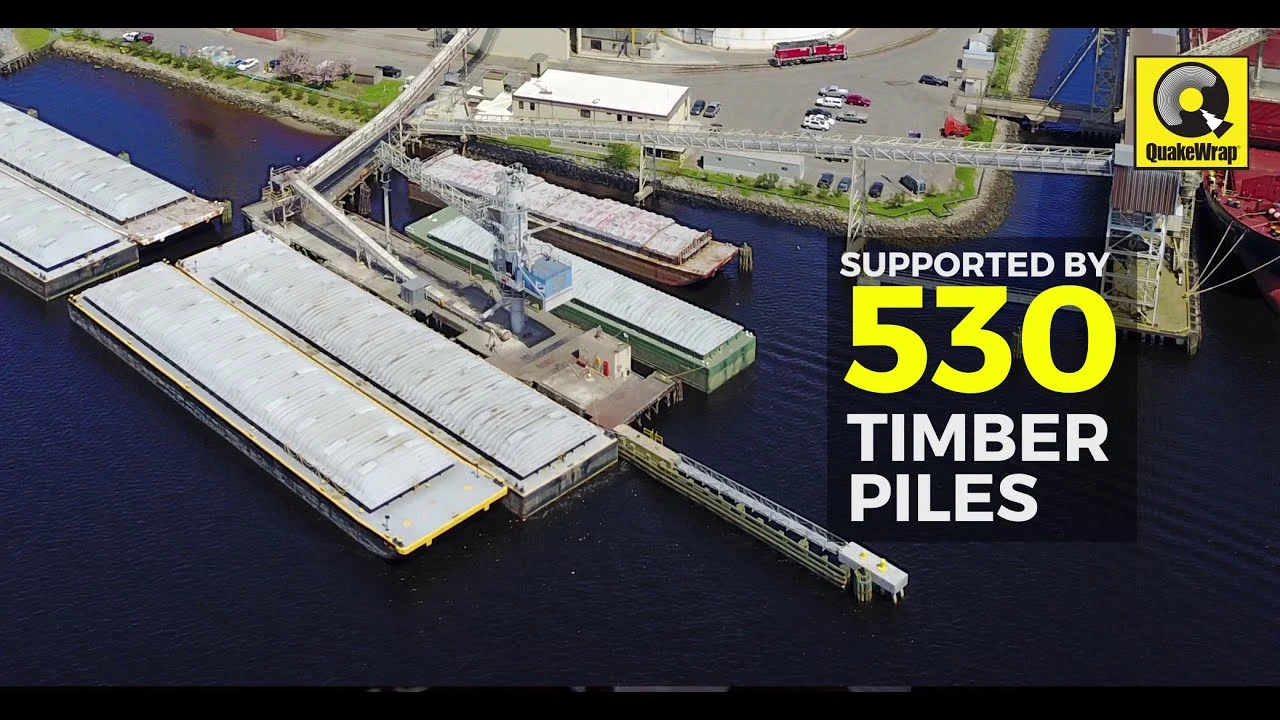
Agricultural Port, Virginia
500+ timber piles restored with PileMedic® while the dock stayed open.
View case study -
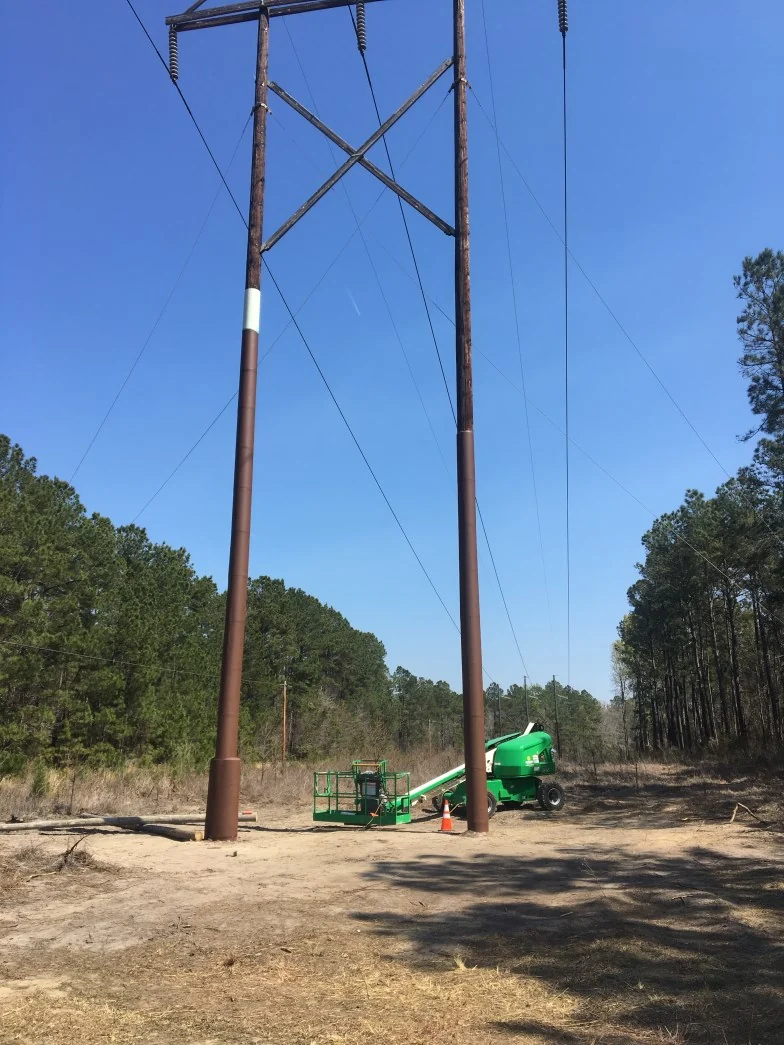
Santee Cooper, South Carolina
Termite-damaged timber poles filled with low-viscosity resin on an energized line.
View case study


Read More About This Project
- TECHNICAL PAPER Repair of Timber Piles and Pile Caps on Canadian Rail Bridges With FRP Ehsani and Herbert, SMSB 2026, Vancouver
- Repair of Timber Piles in Canada's Rail Bridges Ehsani, Gallagher and Herbert, IABMAS 2024
- Timber Pile Repair: Methods and Test Results Posting, splicing, jackets and FRP shells compared
- 5 Rail Bridge Piles in a Few Hours Repaired with the tracks in full service
Have a Timber Rail Bridge That Needs Repair?
Tell us about the bridge, the piles and caps, and the site access. Our team will recommend the right PileMedic® system and provide specifications for your engineer.