
CASE STUDY
49 Corroded Steel H-Piles Restored Under Four Interstate Bridges
At the I-70 and I-270 interchange in St. Louis, the Missouri Department of Transportation repaired 49 corroded steel H-piles with PileMedic® laminate shells and grout. The work took two weeks and brought all four bridges from a poor to a satisfactory substructure rating.

Project Details
- OWNER
- Missouri Department of Transportation (MoDOT), St. Louis District
- LOCATION
- I-70 and I-270 interchange, St. Louis, Missouri
- STRUCTURE
- Four five-span bridges carrying I-270; two intermediate bents per bridge on exposed steel H-piles (26 to 32 10 x 42 piles per bent, 30 to 46 ft long)
- DAMAGE
- Corrosion at the pile base from deck drainage carrying anti-icing chlorides
- QUAKEWRAP® SYSTEM
- PileMedic® carbon laminate, formed into two-ply 16 in. shells and filled with high-strength non-shrink cementitious grout
- DOCUMENTED
- QuakeWrap video (2010); Government Engineering and Modern Contractor Solutions articles (2011), co-authored with MoDOT's St. Louis District Bridge Engineer
PROJECT VIDEO
Steel Bridge Pile Repair in St. Louis
Plays from YouTube
01 · THE CHALLENGE
Structurally Deficient After Years of Chloride Runoff
Drainage from the deck ran onto the concrete slope protection and carried anti-icing chlorides to the base of some piles. The damage was concentrated over a 1 ft high section at the pile base, and 49 piles near the edges of the bridges had lost 20 to 80 percent of their section.
Two months before the repairs, routine inspections lowered the substructure condition rating to poor (NBI 4 on a 9-point scale), so the bridges were considered structurally deficient. The piles sit behind a barrier wall on a 3:1 concrete slope with limited overhead space, so all work had to be done by hand.
02 · THE SOLUTION
A Two-Ply Shell Formed by Hand Around Each Pile
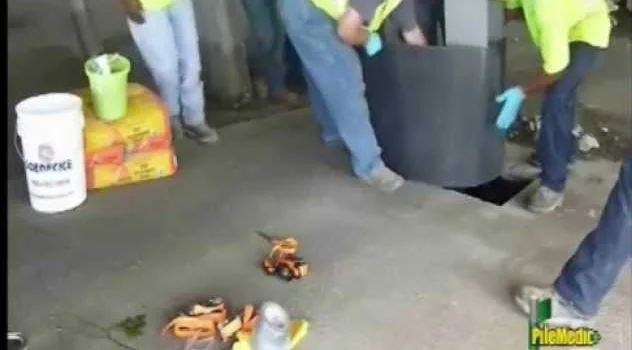
MoDOT determined that repairing a 2 ft high length of each pile would be sufficient. A section of slab about 2.5 ft by 2.5 ft was cut out to expose the pile, the corroded steel was sandblasted, and a corrosion-inhibiting paint was applied.
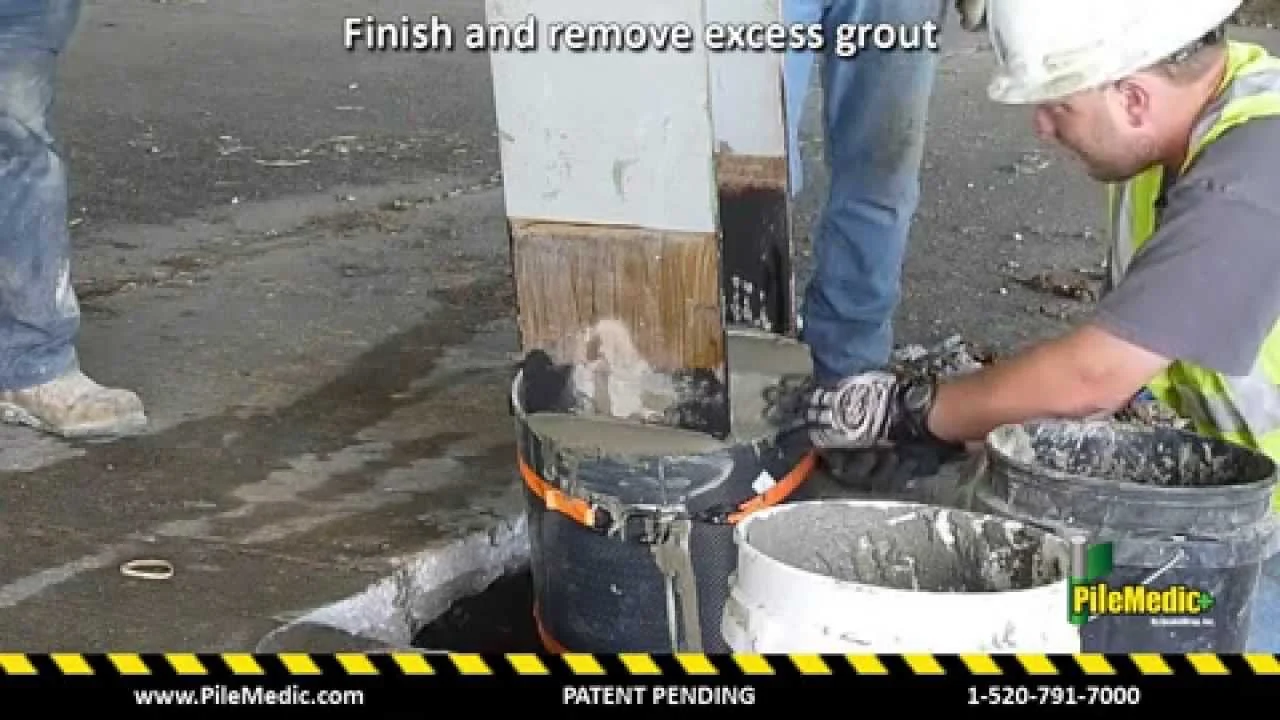
Each pile took a 2 ft by 9 ft piece of PileMedic® laminate. Epoxy paste was troweled on 30 to 40 mil thick, and the laminate was wrapped twice around the pile to form a 16 in. diameter shell with 8 in. of overlap, held round with ratchet straps. The soil below the slab sealed the bottom of the shell.
- High-strength non-shrink cementitious grout, mixed in a 5-gal pail with a hand-held mixer
- Grout consolidated with a small vibrator; its pressure pressed the two plies together
- Straps removed after several hours, then the shell painted
- About 2 hours per pile, excluding painting, with no heavy equipment

03 · THE RESULT
Four Bridges Back to Satisfactory in Two Weeks
The repairs were completed in two weeks and raised all four bridges to a satisfactory condition rating (NBI 6). The work was affordable enough to be funded from the region's operations budget, and it was done on one of the busiest highways in Missouri without delays to the traveling public.
In this application the shell provided a confining pressure of 650 psi, and the authors report that the grout's 6,700 psi compressive strength rose to more than 9,000 psi under that confinement. It was the first installation of PileMedic® on a highway project.
- piles
- 49
- bridges
- 4
- per pile
- ~2 hr
- confining pressure
- 650 psi

Products & Applications Used
-
PileMedic®
Pile repair and strengthening, including underwater.
Explore PileMedic® -
PileMedic® Pile Jackets
Seamless laminate jackets built on the pile, in the dry or underwater.
Explore Pile Jackets -
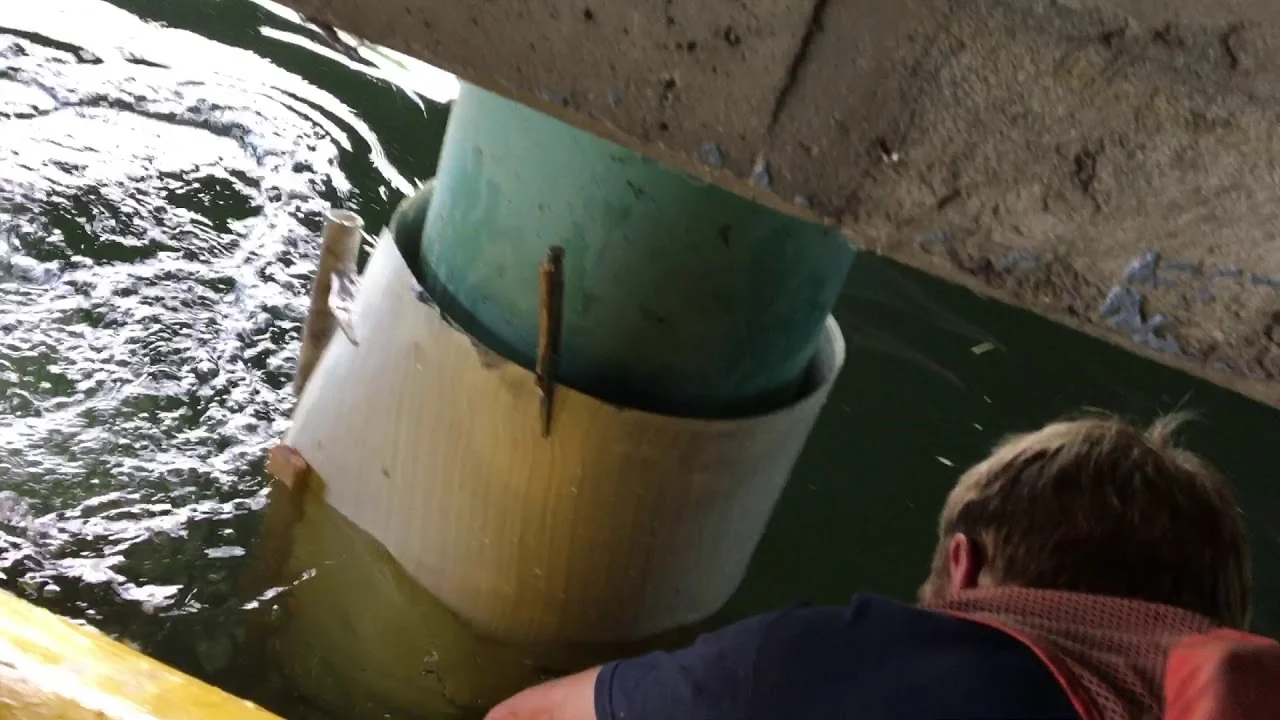
Bridge Piling
Concrete, steel and timber bridge piles repaired in place.
Explore Bridge Piling -
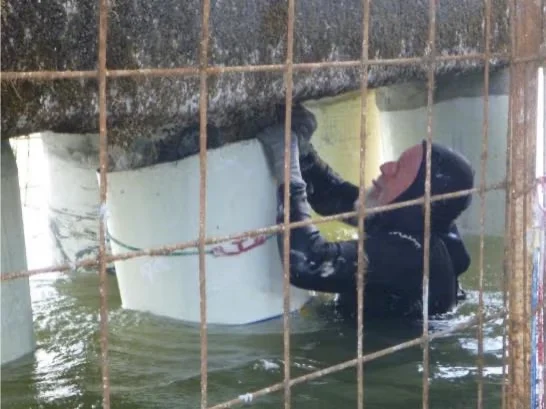
Pile Repair
Timber, steel and concrete piles, without cofferdams.
Explore Pile Repair


MORE PROJECTS
Related Projects
-
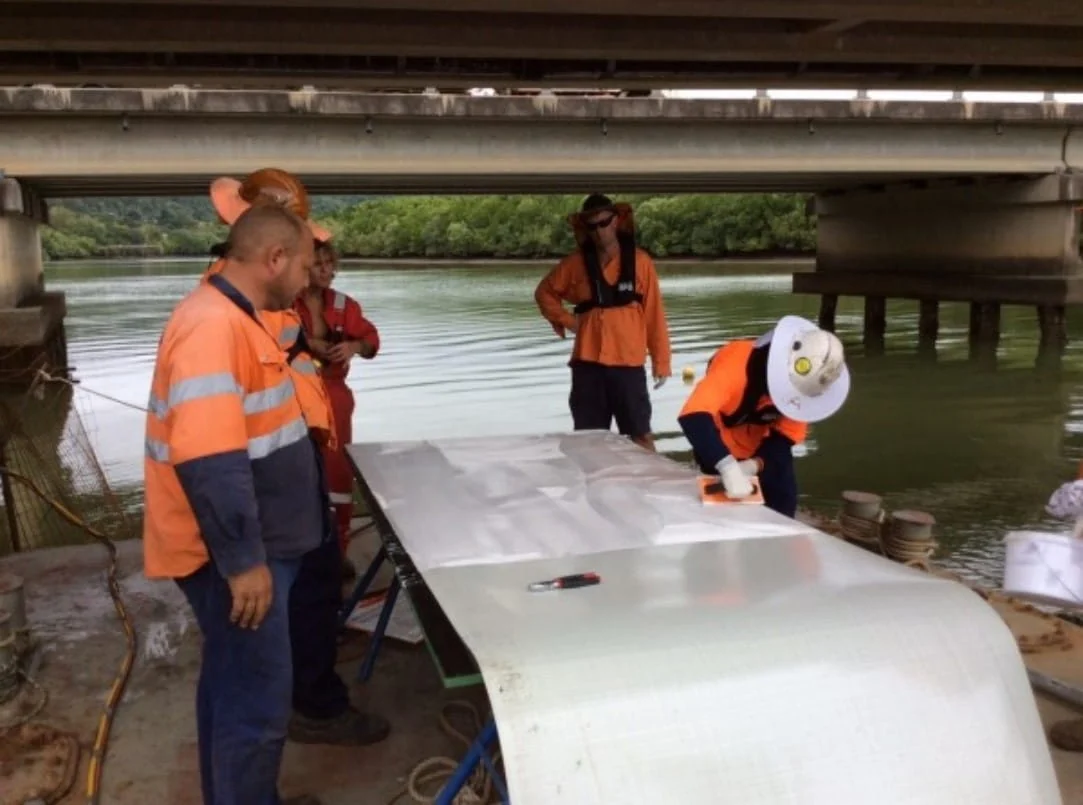
Barron River Bridge, Queensland
40 ASR-cracked bridge piles encased underwater in a crocodile river.
View case study -
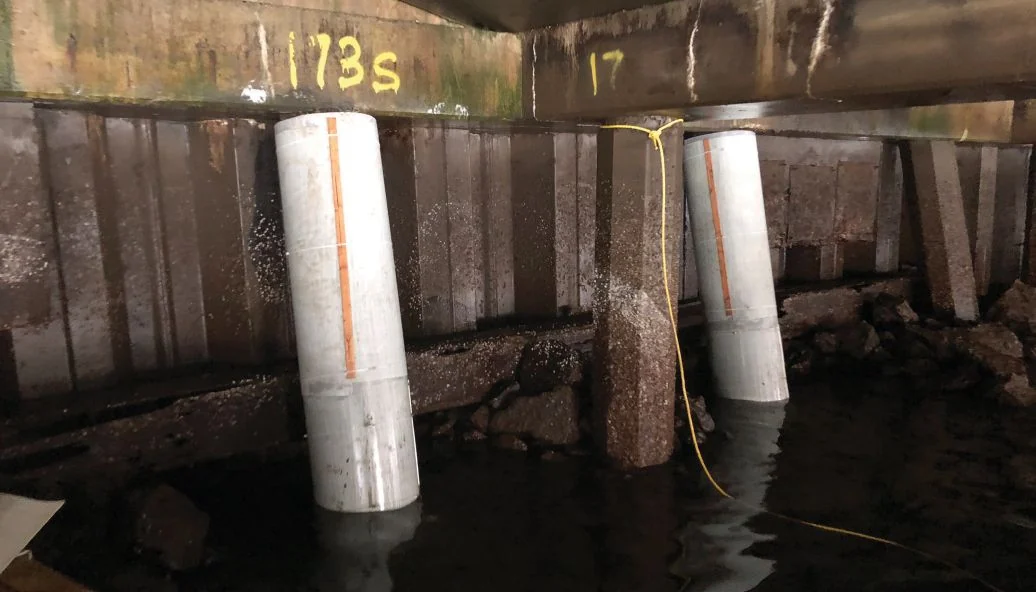
Port of Seattle Terminal 18
Prestressed piles with DEF retrofitted with no shutdown of port service.
View case study -
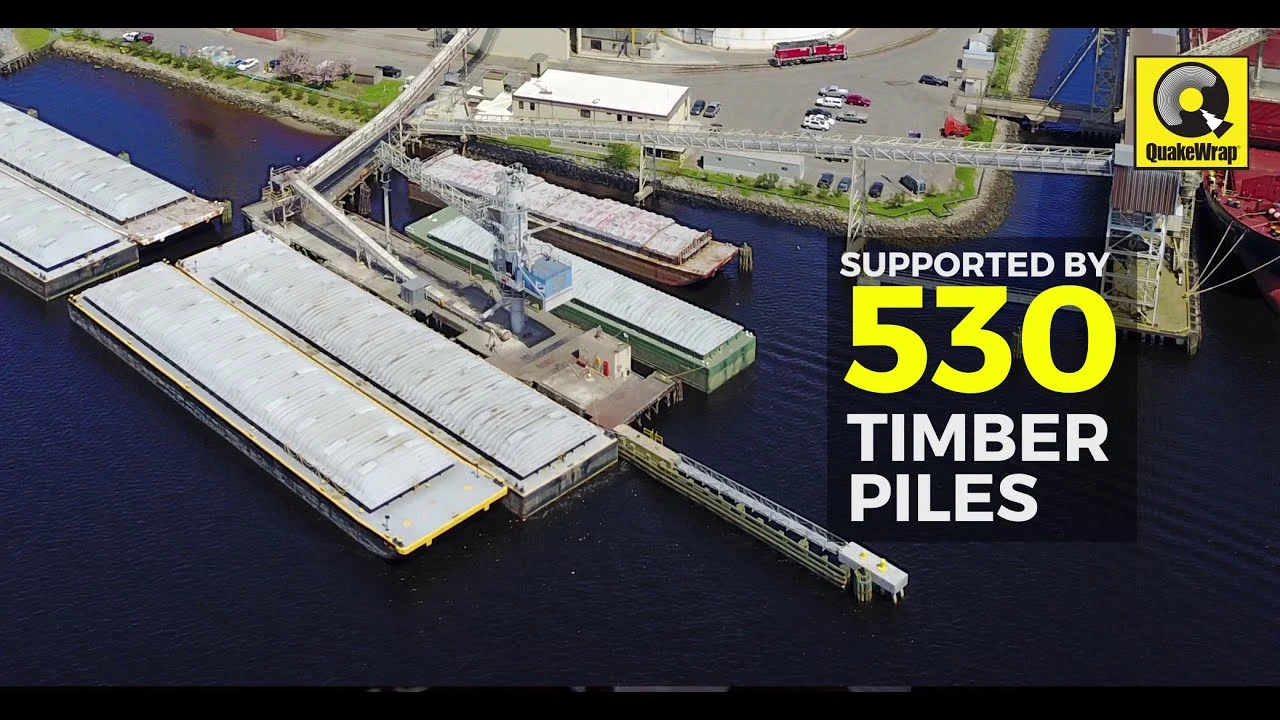
Agricultural Port, Chesapeake, Virginia
500+ timber piles restored with PileMedic® while the dock stayed open.
View case study


Read More About This Project
- PROJECT ARTICLE A Novel Solution for Restoration of Deteriorated Piles Government Engineering, March-April 2011
- Two-Part Project Profile Modern Contractor Solutions, June and July 2011
- Product Data Sheets PileMedic® carbon and glass laminates
- Specifications & Design Details Including steel H-pile details
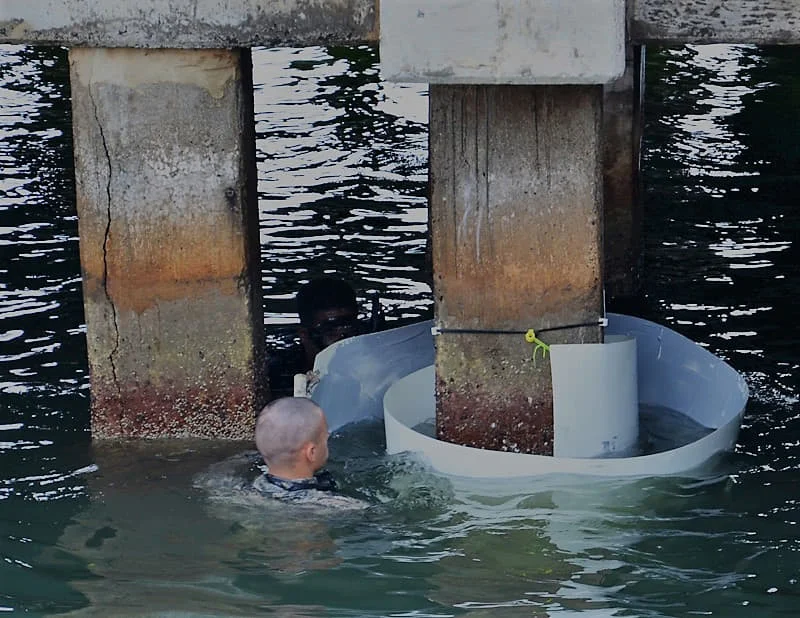
Have Corroded Steel Piles That Need Repair?
Tell us about the piles and site conditions. Our team will recommend the right PileMedic® system and provide specifications for your engineer.