
CASE STUDY
I-35 Storm Tunnel Rehabilitation, Minneapolis
A fully structural StifPipe® liner, built up layer by layer by wet layup, renewed a 20-ft section of a 12-ft concrete-lined storm tunnel for the Minnesota Department of Transportation, far below the city and a long way from the nearest manhole.

Project Details
- OWNER
- Minnesota Department of Transportation (MnDOT)
- LOCATION
- Minneapolis, Minnesota
- STRUCTURE
- 12-ft concrete-lined storm tunnel, I-35W/I-94 tunnel system
- PROJECT ENGINEER
- Brierley Associates
- GENERAL CONTRACTOR
- PCI Roads
- FRP INSTALLER
- FRP Construction
- QUAKEWRAP® SYSTEM
- StifPipe®, installed internally by wet layup
- QUAKEWRAP® ROLE
- StifPipe® materials and design support for the project engineer
- COMPLETED
- March 2019
PROJECT VIDEO
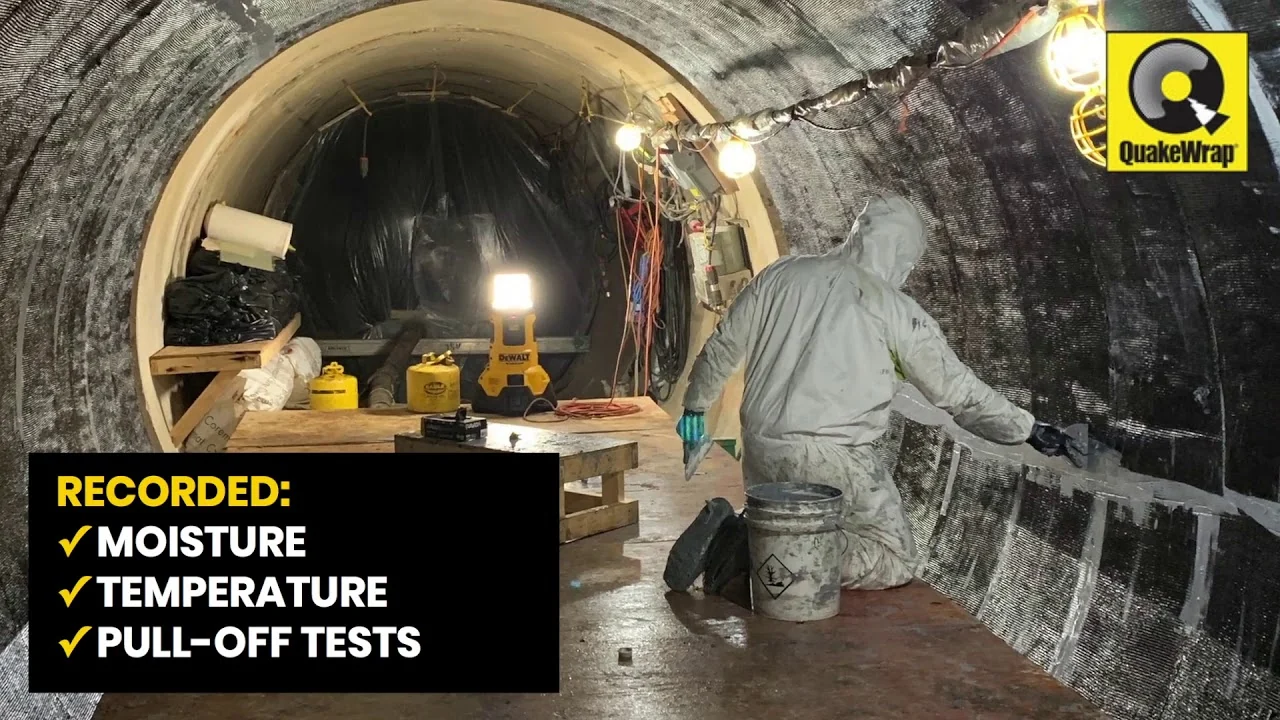
Storm Tunnel Rehab and Repair in Minneapolis
Plays from YouTube
01 · THE CHALLENGE
A Distressed Liner Deep Under the City
The I-35W/I-94 storm tunnel system under Minneapolis ranges from 8 to 14 ft in diameter and runs 50 to 130 ft underground. During storms the tunnel surcharges, and cycles of pressurization and depressurization had distressed the concrete liner and eroded the friable St. Peter sandstone around it, leaving voids behind the liner.
A grouting and crack sealing program restored most of the system. One 20-ft segment of the 12-ft tunnel, more than 100 ft below grade, still had high groundwater pressure, inflow and a noticeable loss of effective liner thickness. Brierley Associates, the project engineer, concluded that this segment needed a fully structural liner designed for the full soil and hydrostatic load.
Access was the other problem. The closest manhole was about 3,200 ft from the repair, and groundwater and snow melt were running through the tunnel. Before lining, PCI Roads and Brierley stopped the active leaks with dewatering and polyurethane grout injection and added pressure relief ports in the tunnel wall.

02 · THE SOLUTION
StifPipe® Built in Place, Layer by Layer
A carbon-only FRP liner would have needed an excessive number of carbon layers to carry the external load. The project engineer selected StifPipe®, whose proprietary 3D core fabric adds stiffness without stacking more carbon. The fabrics and resins reached the repair point in boxes and drums, by skid steer more than half a mile through the tunnel.
The liner was designed for 100 psi of external hydrostatic pressure and was first tried in mock installations at the QuakeWrap R&D lab. FRP Construction then installed it by wet layup.
- Primer on the prepared concrete, then 4 carbon fiber, 2 glass fiber and 2 core fabric layers
- Three FRP layers tucked into grooves cut in the concrete liner and sealed with thickened epoxy at the ends, so no water can get behind the liner
- Repair area sealed off with plastic sheets for humidity and temperature control
- Groundwater and snow melt carried past the work through bypass pipes
- Heaters raised the air from 63°F to 75°F to speed the cure
- Moisture, temperature and pull-off tests recorded throughout, with Brierley Associates inspectors on site

03 · THE RESULT
Finished Ahead of the Spring Melt
The crew had to finish before snow above ground melted and sharply raised the flows and pumping costs. With the heaters running, saturated layers were dry to the touch within a couple of hours, and the StifPipe® installation was complete in three weeks, ahead of the spring rain and snow melt, with no significant issues at the site.
The project set the record at the time for the deepest application of an FRP system for fully structural pipe or tunnel rehabilitation.
- installation
- 3 weeks
- completed
- March 2019

Products & Applications Used
-
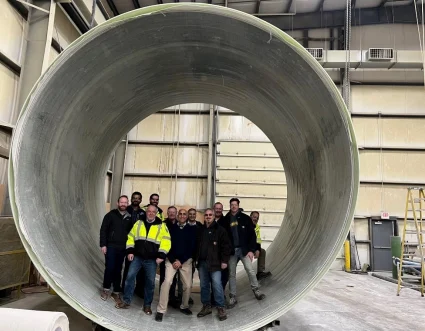
StifPipe®
A fully structural FRP pipe, slid in as segments or built in place by wet layup.
Explore StifPipe® -
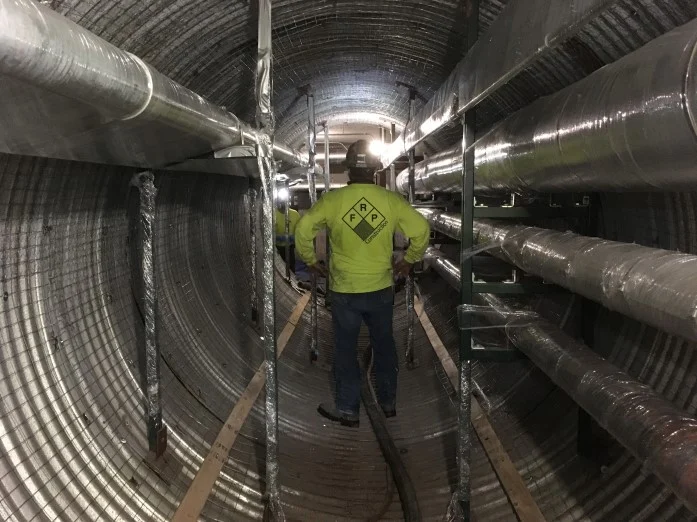
Utility Tunnels
Structural repair of concrete and metal tunnels through small access points.
Explore Utility Tunnels -
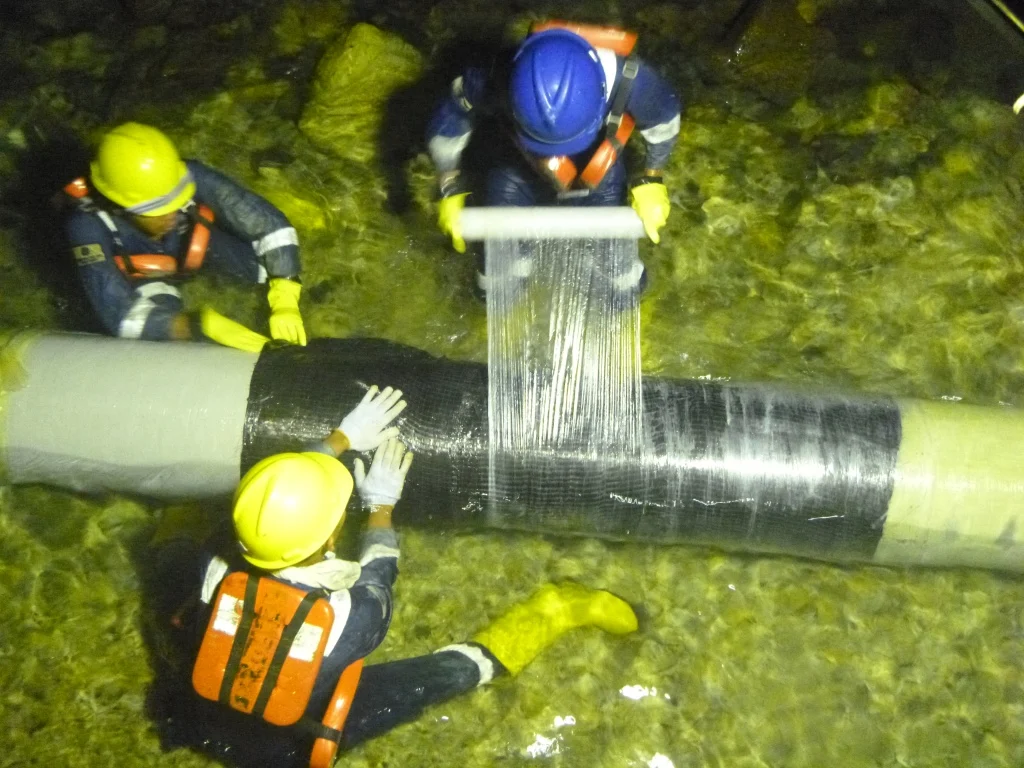
Pipe Repair
How QuakeWrap® products repair water, sewer and industrial pipes.
Explore Pipe Repair


MORE PROJECTS
Related Projects
-
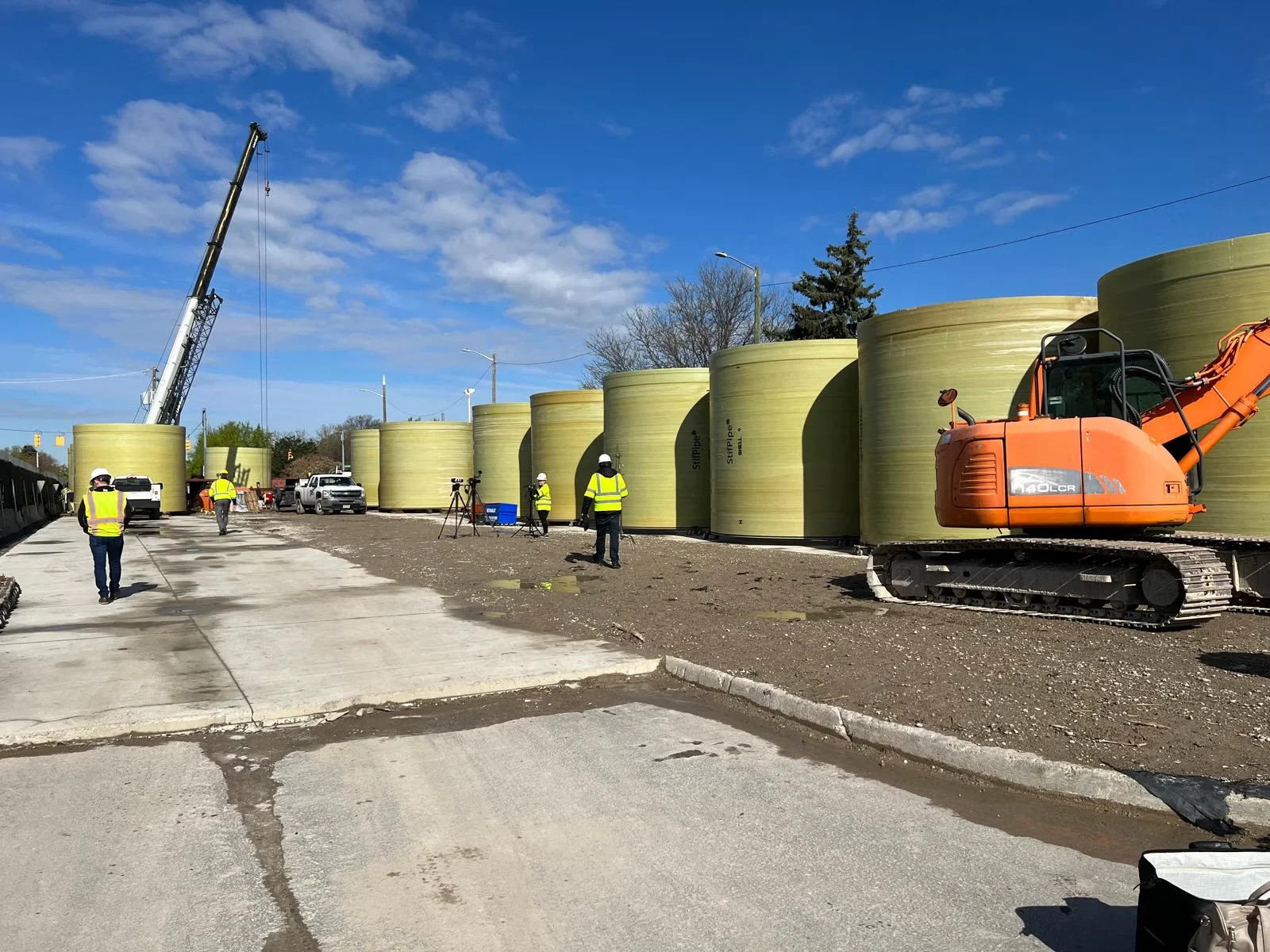
Detroit, Michigan
A 16-ft StifPipe® slipliner, likely the largest slipliner ever made.
View case study -
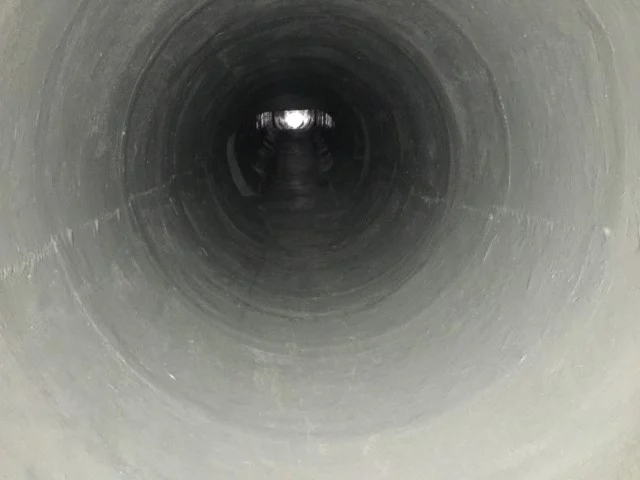
Salt Lake City, Utah
48-in. culvert repaired and lined with FRP along its entire length.
View case study -
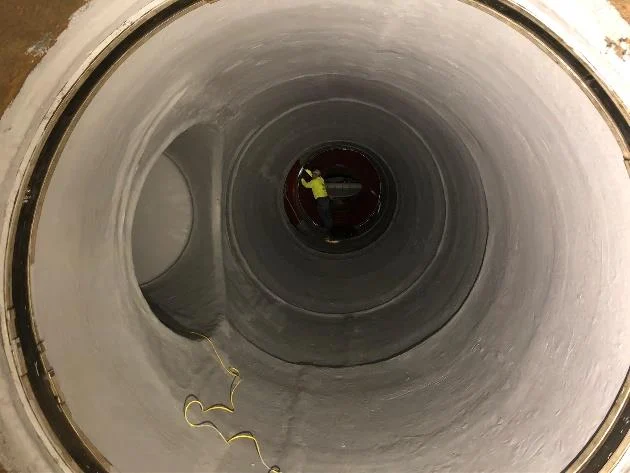
Lake Lure, North Carolina
Large-diameter riveted steel penstock rehabilitated with FRP.
View case study


Project Documents and Resources
Have a Pipe or Tunnel That Needs Repair?
Tell us about the pipe or tunnel, its loads and access. Our team will recommend the right QuakeWrap® system and provide specifications for your engineer.